
Aussie Summer Skincare
The way to adjust your regimen is with a few straightforward alterations: opt for lighter layers, make sunscreen part of the day and wash off the sweat but do not be too hard on your skin. One has to contend with it all in Australia, from the strong UV and humidity to air conditioning and the salt in your perspiration.
Stella Ashbury here. I have come to understand that in summer one does not need to amass products; it is about recognising when your skin would be better served with less. There is no call for the bathroom shelf to resemble a chemist’s stockroom. This is a guide to making a routine that will stand up to the weather anywhere in Australia, be it the stickiness of Sydney, the dry heat of Perth or the tropics up north.
Heat And Humidity Have Their Effect
When it is hot you will sweat more and the skin can seem oilier. Then the humidity puts the brakes on evaporation so your face is left damp with sunscreen, makeup and oil on top of it, making clear skin in hot weather more challenging.
It is an easy recipe for clogged pores and irritation. Add in some over-cleansing or a hot shower and the dehydrating effects of air conditioning, and you have a problem. Oily and dehydrated are two different things.
Do Not Confuse Hydration with Humidity
Some may find high humidity curbs water loss from the skin, but it is no sure-fire way to good skin. It can lead to shine and congestion. An 80% reading is simply the moisture content of the air, nothing to do with how hydrated your skin is.
People are apt to think a sticky face calls for something harsh. You might use a heavy hand with an alcohol toner or scrub to get rid of surface oil but in doing so you risk upsetting the skin barrier and causing further irritation.
Australian Summers Vary
It is not the same everywhere. Northern parts have their wet season with its own set of conditions, while Perth is all wind and dry heat.
In the Top End, tropical Queensland or northern WA you could have sweat on you for hours. Adelaide and Melbourne or the inland will see tightness from the dry heat and air con. Let the day dictate your routine rather than what the calendar says.
Go for a Gel Cleanser
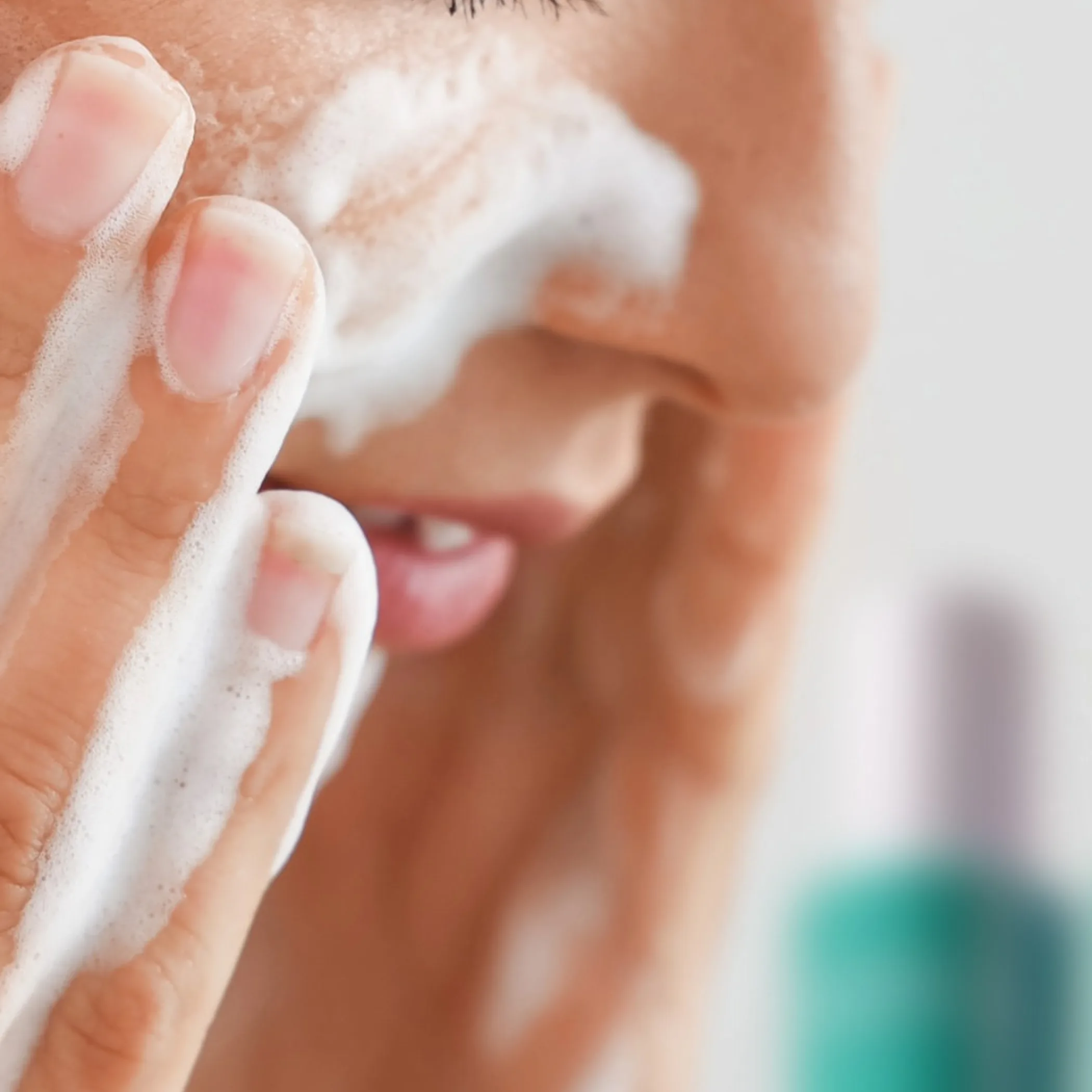
Something with a simple formula will see off the day’s grime, sunscreen and sweat without making the skin feel squeaky. A gel cleanser is a good choice if you have any sensitivity or redness, or are dealing with the dryness of acne treatment.
Make time to cleanse in the morning if you are oily or have been sweating. Come evening, get the sunscreen off but there is no need to go at it like you are erasing a tyre mark.
A Question of Method
With clean fingertips and lukewarm water, work the cleanser in gently and give a good rinse to the jaw, sides of the nose and hairline where things tend to build up.
A two-step process with a balm or micellar product followed by a gel can be useful at night if you have on water-resistant make-up or sunscreen. But if the skin stings or gets flaky, put a stop to it.
You will see the 4 2 4 rule put about on the internet for oil and water cleansing (four minutes each end with two in between). Do not take it as gospel from a dermatologist; four minutes of rubbing is likely to irritate certain skin types. Keep it brief and comfortable.
Time of Day
If you have been swimming or exercising, have a wash when you can. If not, put down a clean towel to blot and keep your hands, with all their dust and sunscreen, off your face.
And in the evening, make sure to remove your sunscreen before you go to bed. It is not some kind of honour to sleep in it. Your skin will be in better order for its moisturiser and any treatment you have been prescribed.
For Hydration, Keep it Light
Many are put off by the heavy finish of some products in the summer. A serum with hyaluronic acid, panthenol or glycerine will provide hydration in a water-based form. Apply to the skin while it is still a bit damp, provided the instructions say so.
It makes for a more comfortable feel though it is not a substitute for your moisturiser or sunscreen. What one should aim for is skin in balance, with a calm feel to it; there is no point in having a face that is wet from morning to night.
Less Is More In The Humidity
On a humid day the average person has no call for a facial oil, three serums and a heavy sleeping mask. Put on a hydrating layer of some sort, let it do its work and put a light moisturiser over the top if you see fit.
You may find your skin is tight post-cleansing yet put on a shine by lunch. Resist the urge to make each product more potent and instead pare down on the number you are using. Dehydration can cause an excess of visible oil which is confusing enough without making it worse.
Put Some Protection On The Skin Barrier
It is the barrier that will shield you from irritants and stem water loss. But strong actives, heat, the friction of sweat or too much washing can take their toll.
Should your skin be irritated in the heat, cut back or put off retinoids, scrubs and exfoliating acids for a while. Heed what the label says and make any changes incrementally. For severe sensitivity, dermatitis or acne that will not go away, put in a call to a professional.
Opt For A Lighter Moisturiser
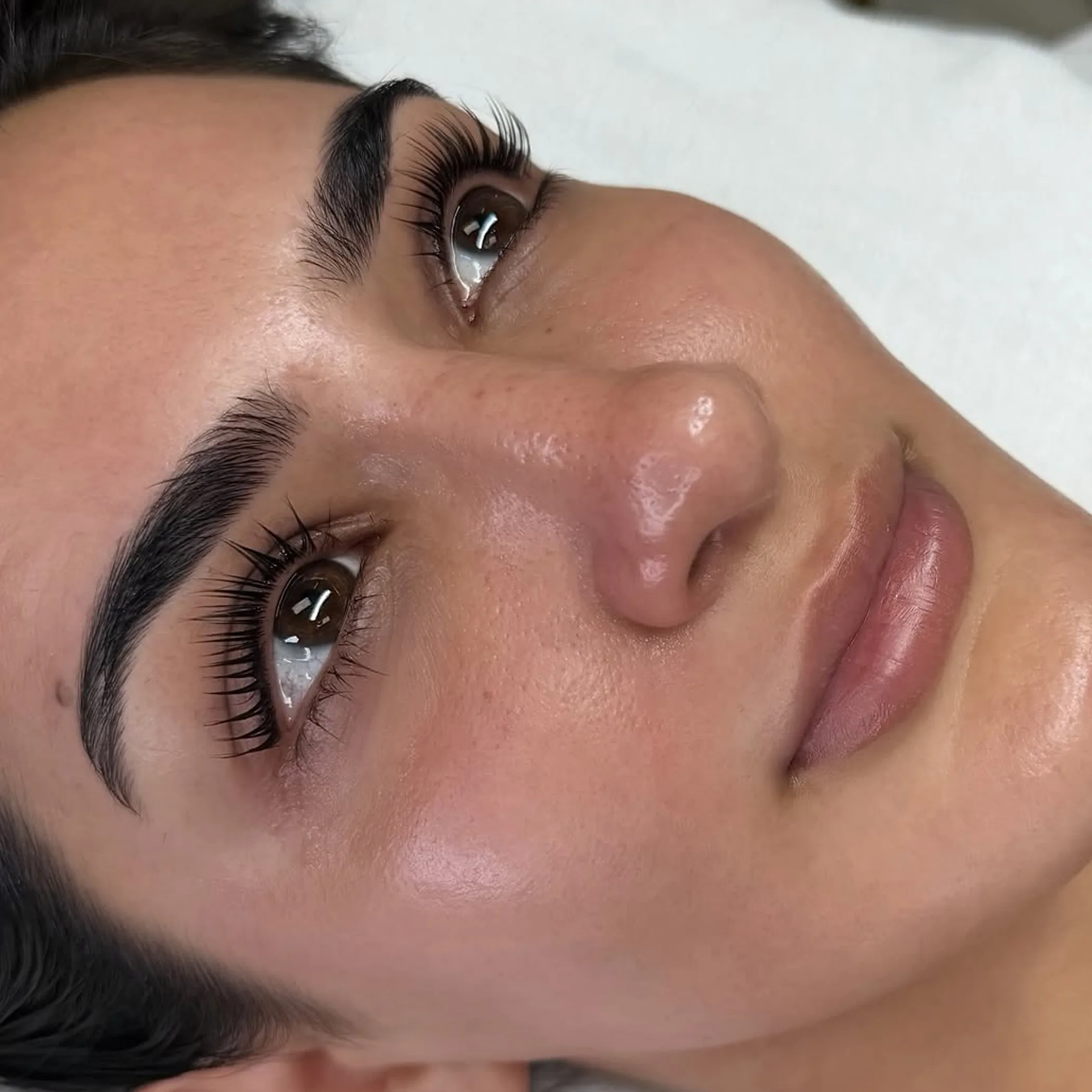
A gel or oil-free variety will be more comfortable and not leave a greasy residue. One might go for a non-comedogenic formula when clogged pores are an issue, though such a claim does not ensure a product is right for everyone.
In this kind of weather a good moisturiser will prop up the skin barrier and let the sunscreen sit properly. A thin application is sufficient, with a little more put on any dry spots. Those with combination skin will often want lighter coverage on the chin, nose and forehead and a bit more on the cheeks.
| Skin Concern | Summer Adjustment | What To Watch For |
|---|---|---|
| Oily or acne-prone | Gel cleanser, a serum that is water-based and a light moisturiser | Look out for shine and blocked pores, as well as the irritation of over-cleansing |
| Dry or dehydrated | Go with something gentle for cleansing and a serum and moisturiser to support the barrier | Be on the alert for stinging, flaking and tightness |
| Combination | Vary the amount of product, putting extra on dry zones and keeping the rest of the face light | Different areas may need different amounts |
| Sensitive | Test carefully and stick to fragrance-free options and fewer products in all | Redness, a rash or an itch that lingers are signs to watch |
An SPF 50+ Broad-Spectrum
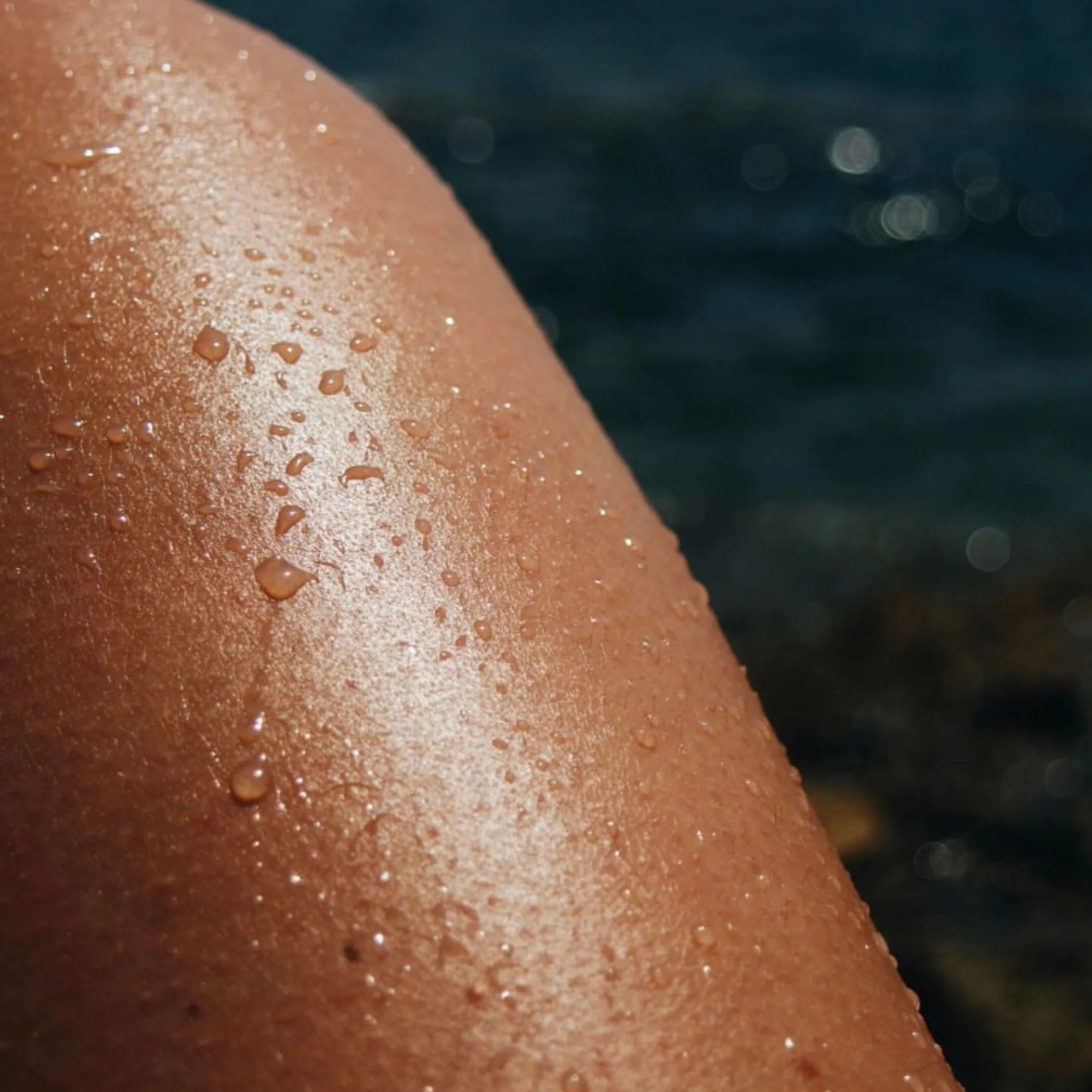
There is no more vital part of a summer regimen in Australia than sunscreen. Pick a broad-spectrum 50+ that is to your liking and be liberal with it on any exposed skin, reapplying as the directions indicate after a swim or when you have had to towel dry.
SPF will give you UVB protection in testing but broad-spectrum covers UVA as well. It is not a get-out-of-jail-free card so you should also have a hat, sunglasses and protective clothing and seek shade.
Take Note Of The UV Index
The temperature is not a reliable barometer for UV. You can have plenty of it on a cool and overcast day and it is not just a matter for hot afternoons. The Bureau of Meteorology has UV Index forecasts for before you plan to be outdoors.
By way of a rule of thumb in Australia, sun protection is called for at an index of 3 and up. It is worth a check before you head to the beach or go about your gardening, dog walking or commute as the numbers can shift.
Wear Your Sunscreen Without Thinking About It
If it is too heavy handed, go for a fluid, milk or gel texture that is easier to put up with in the humidity, but do not skimp on the quantity. Water-resistant types are better for outdoor labour or swimming.
Make sure to cover the backs of the hands, the neck, ears and hairline; they are easily overlooked and the first to show damage. And when you have been sweating, reapply instead of piling more on top of what is already there.
Tailor Your Products
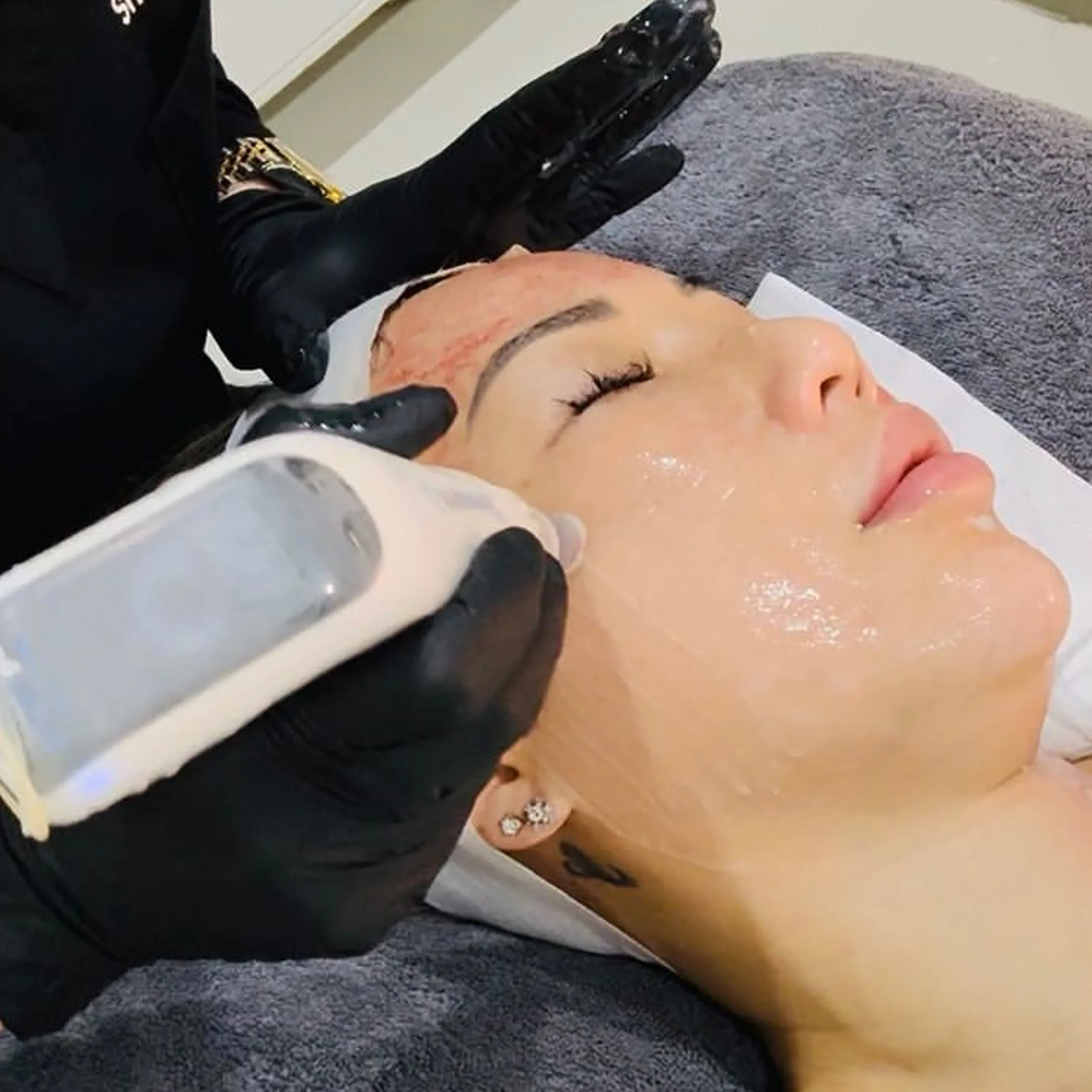
Humid weather will demand different things of oily, dry or sensitive skin so do not follow some generic list. Oily and acne-prone types may use a gel cleanser once or twice a day as they see fit and an oil-free moisturiser and water-based serum will be ample.
There is no need to be scrubbing your forehead every time it gets shiny, a blotting paper or tissue will suffice with less aggravation. Leave the more forceful cleansers alone and have a GP or dermatologist look at any scarring or painful nodules.
Dry And Dehydrated Skin
The difference between dry and dehydrated skin is that the former is short on oil, the latter on water. Either can be made worse by hot showers, a strong cleanser or air conditioning. Opt for a mild cleanser, something to hydrate like a serum and a moisturiser that does not leave a coating but is comfortable on the skin.
When the T-zone is oily yet your cheeks are tight, put on a more substantial moisturiser in those areas; there is no call for a uniform summer regimen over the entire face.
Sensitive And Reactive Skin
It is best not to make too many changes with sensitive skin. Do not put on a new exfoliant, vitamin A and sunscreen in one go as you will be none the wiser as to what has provoked a reaction.
Follow the instructions for patch-testing any new product and discontinue use if there is burning, swelling or an aggravation of a rash. In the event of heat rash, sunburn or an allergic response that is severe or does not abate, medical opinion is called for since each requires its own treatment.
Prevent Sweat And Breakouts
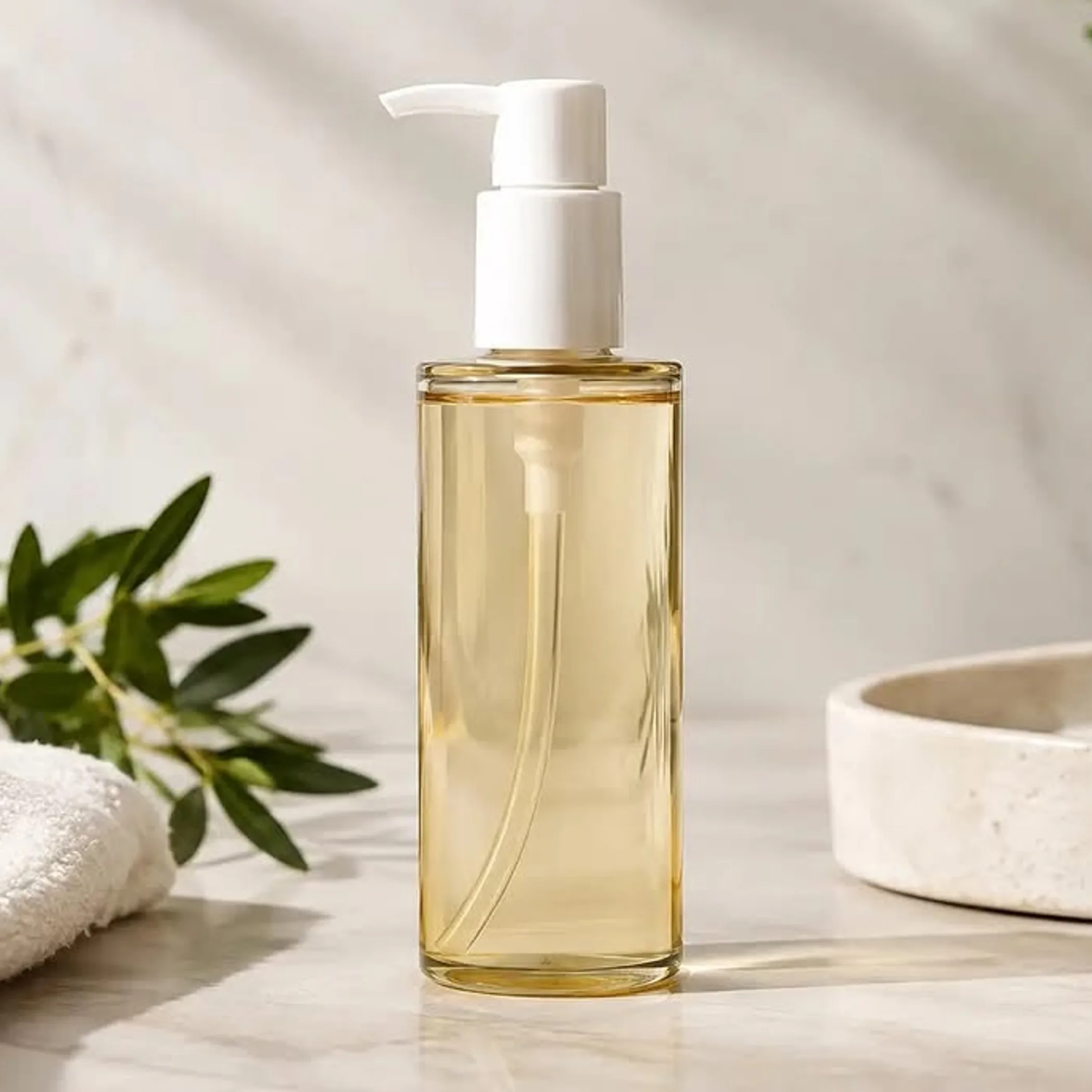
To stave off breakouts in the heat one has to cut down on friction and superfluous layers of product. Sweat is not unclean of itself, but in combination with makeup, dust, oil, sunscreen and constricting clothes it can be an irritant.
Do not put off dealing with heavy sweat until day’s end. After some time working outside or at the gym, have a rinse or cleanse and put on fresh clothes. Make it a habit to wash pillowcases and helmet straps. A clean towel should be in your gym bag or work kit. Rubbing the face is to be avoided in favour of blotting.
- Refrain from picking at blocked pores, acne or heat rash.
- Put on a fresh layer of sunscreen if you have been swimming or perspiring.
- Clean the screen of your phone and your sunglasses and helmet straps from time to time.
- Wear clothing that breathes and eschew headwear that is too tight.
Expectation Versus Reality
You might think a vigorous scrub is the way to clear pores. In fact it will only serve to ruffle the skin and give blemishes an angrier appearance.
Oily skin is often thought to do without a moisturiser, but to take away all the oil is to dehydrate and discomfort the skin.
As for waterproof sunscreen, even the most water-resistant formulation calls for reapplication once you have had a swim or dried off with a towel.
One-Day Summer Reset
For a day of simplifying, stick to the essentials: gentle cleansing, hydration, sunscreen and good habits. Forgo any exfoliation and do not put several new products to the test.
This is an easy matter for a beginner to oversee, though it is not the way to handle serious acne, a bad sunburn or facial swelling which may need a doctor.
FAQ: Summer Skin Questions
The answers to these are straightforward and practical, unlike some of the muddled advice one finds online.
What Is The 4 2 4 Rule?
A method of cleansing in vogue is to spend four minutes with an oil cleanser, two with a water-based one and another four rinsing. It is hardly necessary for clear skin when it is hot and the protracted massage can set off sensitive or acne-prone skin. A quick, unobtrusive cleanse to get rid of the sunscreen and sweat will suffice.
What Skincare Suits Humid Climates?
A gel or oil-free moisturiser, broad-spectrum SPF 50+ and a gentle cleanser. Add a water-based serum if you see fit. Those with a tendency to clogged pores should go for non-comedogenic options but let your skin tell you how it is coping with the change.
Do Humid Climates Give Better Skin?
Not so. While humidity can mean less water loss for some, it also brings out the shine and the sweat and can clog pores and cause irritation. Your skin is subject to hormones, genetics, UV and the environment; humidity is no panacea.
Is 80% Humidity Good For Skin?
Not of itself. With slow evaporation the skin can become sticky and prone to congestion. Be mindful of the dryness from air conditioning and opt for lighter layers of product and breathable attire.
Should I Stop Moisturising In Summer?
There is no need. Dry or sensitive skin might want a formula with more heft to support the barrier, while oily skin can be put right with a lighter version. Should the skin feel taut after you have cleansed, continue to moisturise, perhaps in smaller quantities or of a different texture.
Keep Your Summer Routine Simple
An Australian summer routine should be about protection from the UV and managing the sweat without being hard on the skin. Begin with a gel cleanser, a light moisturiser and SPF 50+, and a water-based serum as required.
Check the UV and the weather, make allowances for Sydney’s humidity or Perth’s dryness and do not assume that piling on products will yield better results. When it gets hot you want a routine you can rely on to be safe and consistent.