
If there is one rule to observe at Kakadu National Park it is this: do not mistake the Northern Territory for an outdoor theme park, but for what it is, a wild country. The park has its way of rewarding those who are careful with big Top End skies, old rock art and some fine wetlands. Then again, a casual excursion can become a serious matter when you factor in the likes of flooding, rough tracks, crocodiles, the heat and poor mobile coverage.
My name is Stella Ashbury and I put a practical slant on my writing about Australia’s national parks. My counsel is to have sufficient water, heed the warning signs, check your track and never be under the impression that a still waterhole is without risk. In this guide I go over the ins and outs of safety in Kakadu, from seasonal planning and transport to camping and emergency prep, all so you can get on with enjoying the park in a responsible way rather than having to deal with preventable dramas.
Making Allowances for What Kakadu Throws at You
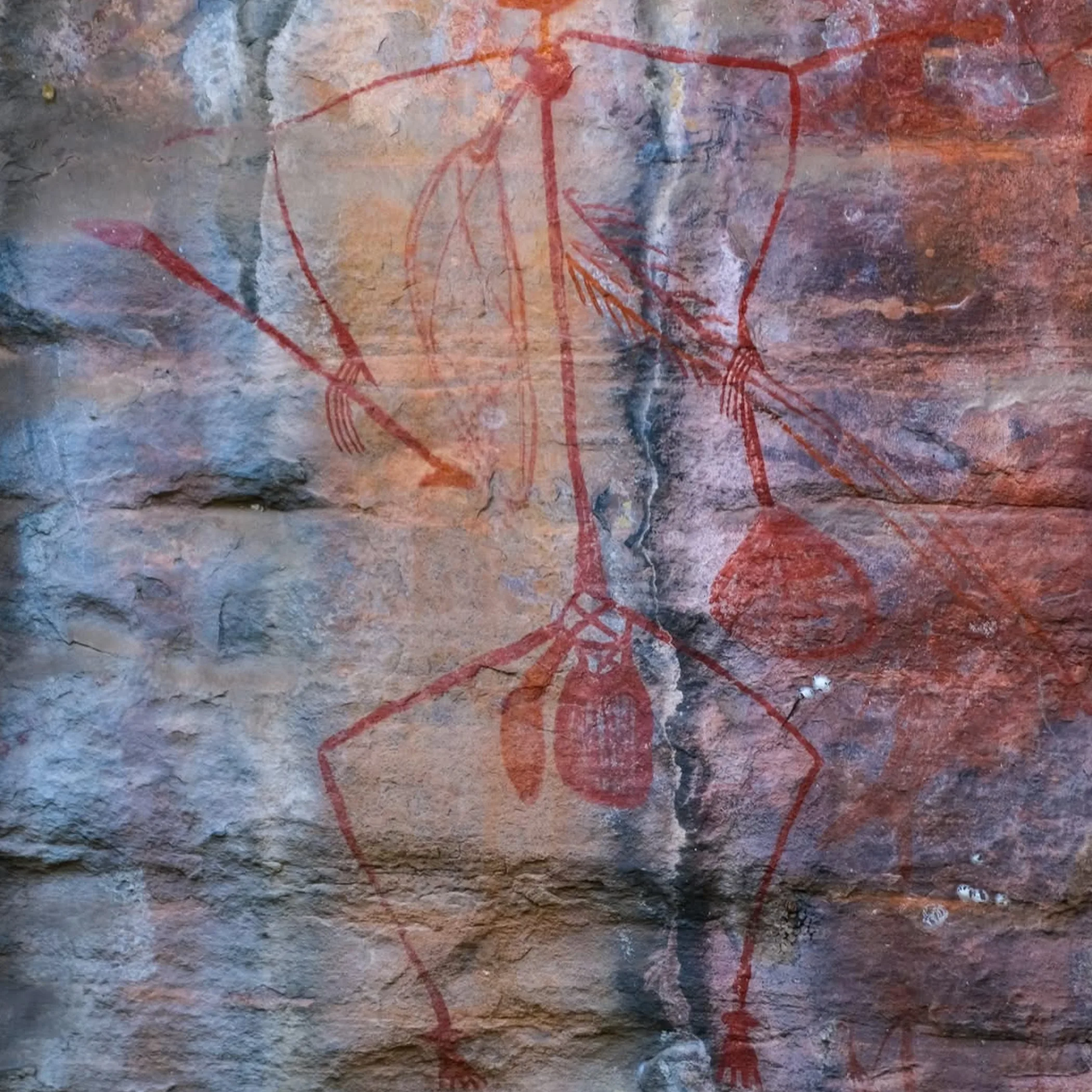
With nearly 20,000 square kilometres to cover, conditions in Kakadu can be quite different from one end to the other, be it Darwin, Ubirr, Nourlangie or the southern waterfalls. Put unsealed roads, corrugations and the odd stop for a photo on top of the heat and any seasonal closures and what was an easy plan on paper will take considerably longer. Knowing the best season for Kakadu can help with planning.
An independent traveller or family with the proper preparation will find the park to their liking, as will seasoned bushwalkers. It is not the place for those who want to put in a spontaneous swim or rely on sealed roads and good reception at every turn.
Do Your Homework on the Route
Before you set off, see if the Bowali Visitor Centre is open to use as a planning point and refer to Parks Australia for the latest on Kakadu. After a storm or heavy rain, or where there has been bushfire, you should verify what is open by way of road, campsite or walking track.
Most will come in from Darwin by car on the Arnhem Highway. There is no better flexibility than a private vehicle, though a guided tour from Darwin takes some of the worry out of navigation and the vehicle. Operators will put in some local colour but one should know the return time and walking demands before putting down a booking.
Services Are Not Everywhere
You will find fuel, food and places to stay are something of a distance apart. Have on hand a torch, a charged phone, sun and insect protection, first-aid and a map, whether paper or offline. Do not count on your phone once you are away from the main facilities.
Costs for camping and accommodation are subject to the season and the site. Factor in the fees for a park pass, your meals, tours and fuel as distinct outlays and look up the rates in Darwin first. An unplanned detour after you have run out of fuel is a costly way to travel out here.
Heed the Park Alerts
They are not put up for decoration. One week a gorge or waterfall may be accessible, the next it is shut due to monsoonal weather, rockfall or a croc sighting. Take the time in the morning to see what the situation is and you can alter course while you have the daylight and a connection to do so; it is sound advice for travelling in Kakadu.
The Wet and the Dry
Roads and tracks are more to be relied on in the dry, if not always cool. In the wet the rain is no joke and creek crossings can put paid to access to Jim Jim or Twin Falls. Add in the humidity, lightning and the odd cyclone alert for the northern region. Bushfire can also put a stop to things in the hotter times. You can pick the season to suit what you wish to see but you will want to be checking conditions regardless.
A Few Things to Check Before You Go
- Make sure you have looked at the opening hours, the weather and any alerts.
- Let someone know where you are headed and when you will be back, and put in your vehicle details.
- Take on more water and fuel than you think you need.
- Get your permits and any Aboriginal land access sorted and have your emergency contacts and maps downloaded.
Around the Water, Be Croc-Wise
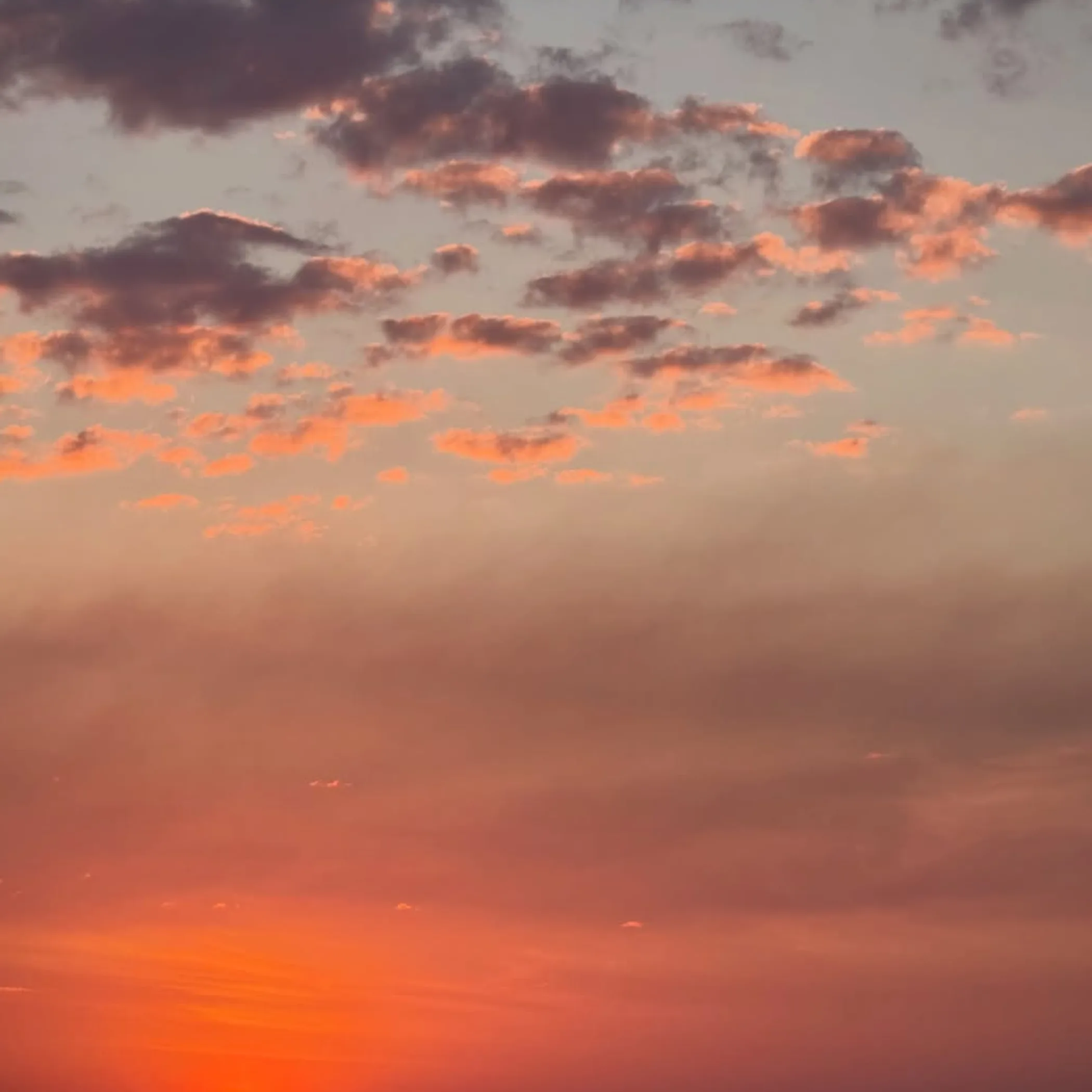
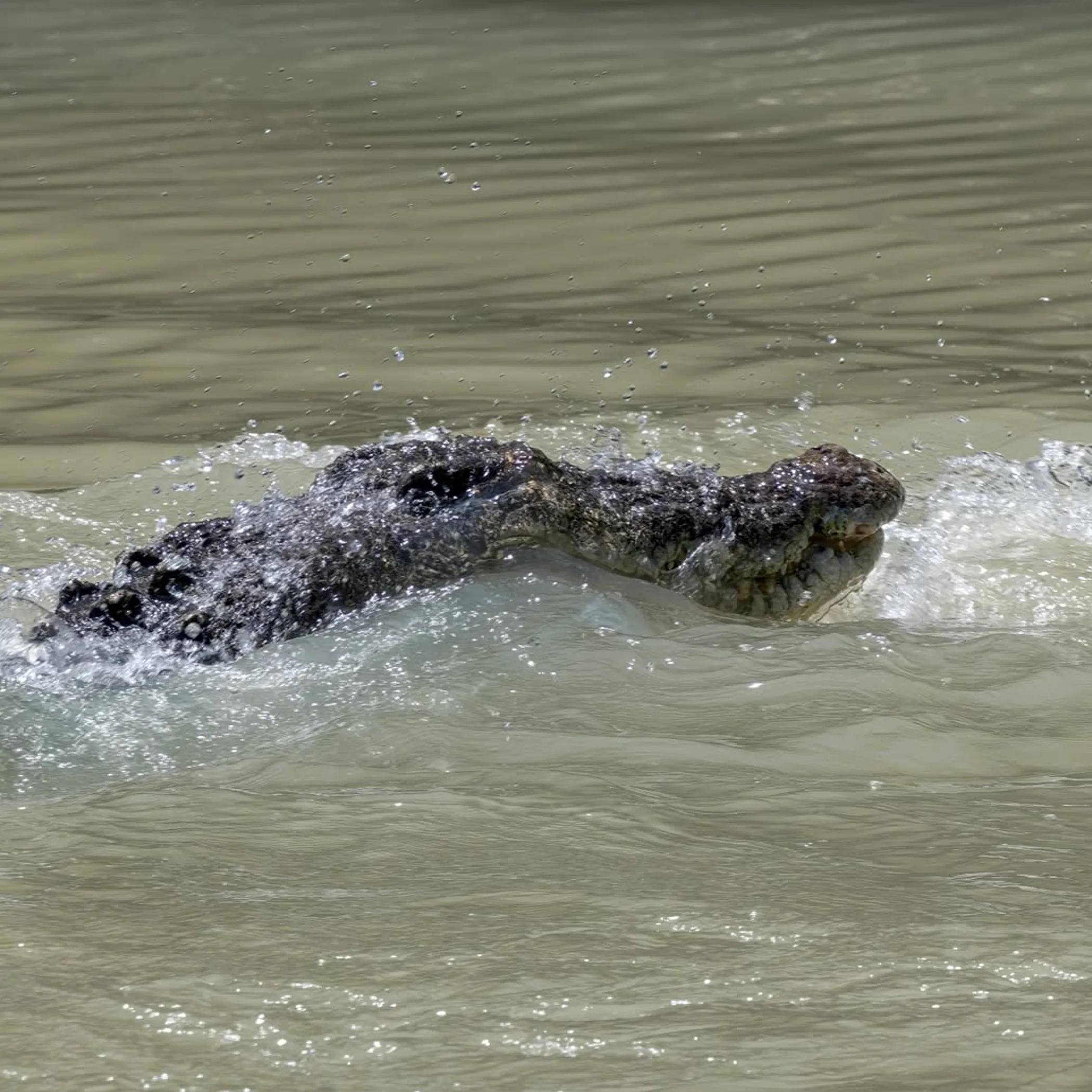
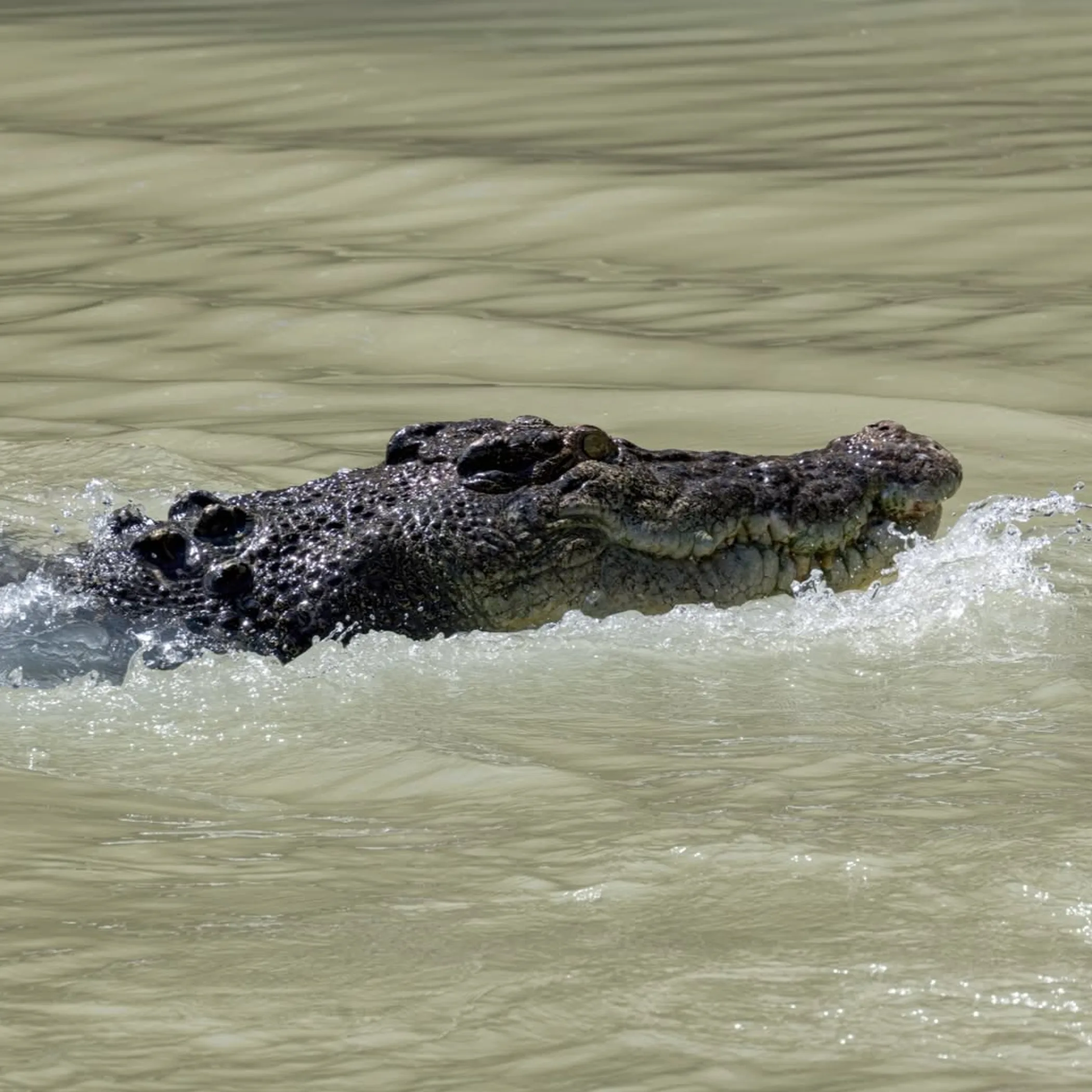
Not every inviting pool in Kakadu is made for swimming. Between the saltwater and freshwater varieties, crocodiles are part of the landscape and how they behave is dictated by the season, the water and what is going on around them. Heed the signs and do not swim in areas that are closed off or have not been put forward as an approved place for it. The same goes for wading by a river, getting up close to wildlife for a photo or thinking a freshwater crocodile is no threat on account of its size.
Every Warning Sign Should Be Read
When the water is placid and other visitors are at ease, one should still adhere to the official barriers and signage. Crocodiles are hard to spot in the mud or where there is deep shade and vegetation. You cannot take the absence of visible wildlife as any guarantee of safety.
Children are to be kept within arm’s length of you on any waterway; dogs should be held back from the lagoon and riverbanks. And do not be about your business of washing food scraps, cleaning fish or putting out bait by the water’s edge or campgrounds, it will draw animals.
Select Your Activities With Some Forethought
An authorised cruise or a visit to an approved vantage point is the way to see Yellow Water, not by making for the water itself. At Jim Jim and Twin Falls heed the access advice; conditions on the road and track, as well as the water levels, can be quite variable.
In crocodile country one must be more circumspect with boating, fishing and kayaking. Stick to the launch points that are sanctioned and local rules, and do not go in after your equipment. In any doubt as to the safety of a spot, put the question to a Parks Australia employee or an operator with a licence before you go ahead.
The Heat, Sun And Dehydration
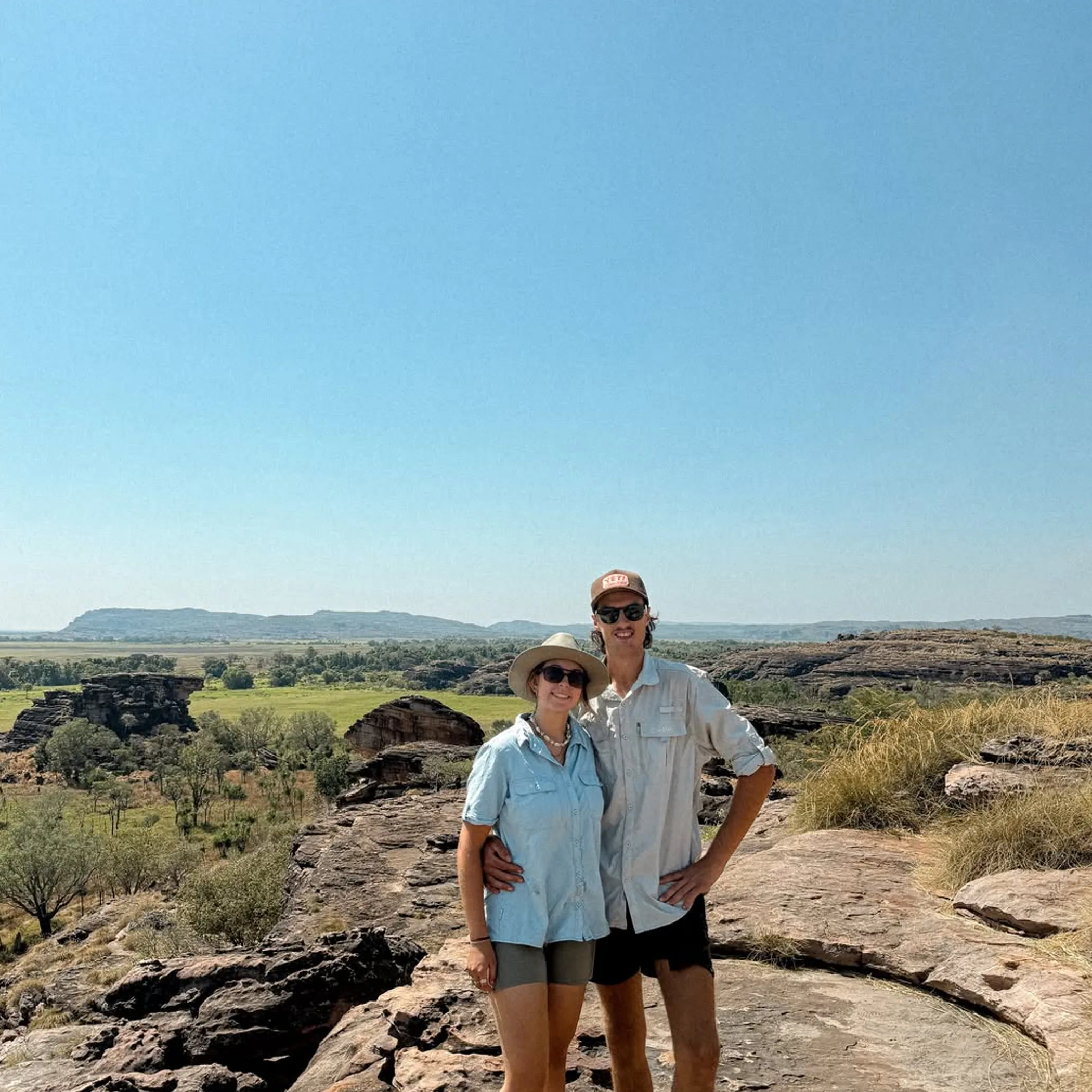
Few would put extreme heat up there with the hazards of Kakadu National Park, yet many a visitor is so preoccupied with the crocs they do not notice dehydration or sunburn setting in on a brief walk in the humidity. Put on some sunscreen and a hat with a brim, sunglasses and long but light clothing; in Kakadu these are necessities, not overkill. Make sure to drink and get into the shade before you are parched.
Recognise Heat Illness Early
Any sign of heat illness such as dizziness, nausea, a headache or an odd irritability means you should stop. Get the person in question out of the sun and cool them down with wet clothes and water. For collapse or confusion there is no option but to call for emergency help. Do not tell yourself to press on because the car park is in sight, in the Top End that last kilometre can be what gets you. Have enough water on hand for all in the party, children included, and to make up for time lost to a slower member of the group or taking in the view.
Use Sun Protection Properly
Reapply your sunscreen as the product says once you have left the vehicle and have been sweating. Take a rest before you and everyone else are completely done in.
Tracks And Ledges
Your experience of hiking in Kakadu is only as good as your fitness and footwear. Do not be fooled into thinking a short walk is easy; the rock is uneven, steps are steep and a wet ledge is treacherous. Remain behind the barriers and on the track. An unstable rock ledge by a waterfall after a rain is no place for a haphazard photograph if it means a broken ankle and being rescued in rough terrain.
What To Expect
| Area | What To Expect | Main Safety Focus |
|---|---|---|
| Ubirr | Exposed viewing areas and steps on the rock platforms | Mind the edges and slippery rock in the heat |
| Nourlangie | Uneven ground and walking tracks to the rock-art | Watch your footing and the sun |
| Jim Jim Falls | A rougher approach and seasonal changes to access | Factor in the physical exertion and road and water conditions |
| Twin Falls | Terrain and water hazards can be dictated by the season | Closures, water hazards and changing terrain |
| Yellow Water | Authorised cruises and wetland views | Barriers are to be respected in the heat and around crocodiles |
If it is hot and the track is wet, or you have older folk and children with you, give yourself more time than the guidebook suggests. Those new to Australian bushwalking should stick to the obvious, well-trodden paths and get some up to date counsel before venturing into remote or difficult country. High risk of crocodile attacks means swimming or entering water in Kakadu is extremely dangerous and should always be avoided.
Put Down Your Plans
Make a note of when you are leaving and where you are headed and who you will be back with. Should you alter course, let the person you have told know. There is no need to divide the group and a torch is advisable on a day walk, delays are a fact of life in the bush.
You Will Be Driving On What Is There
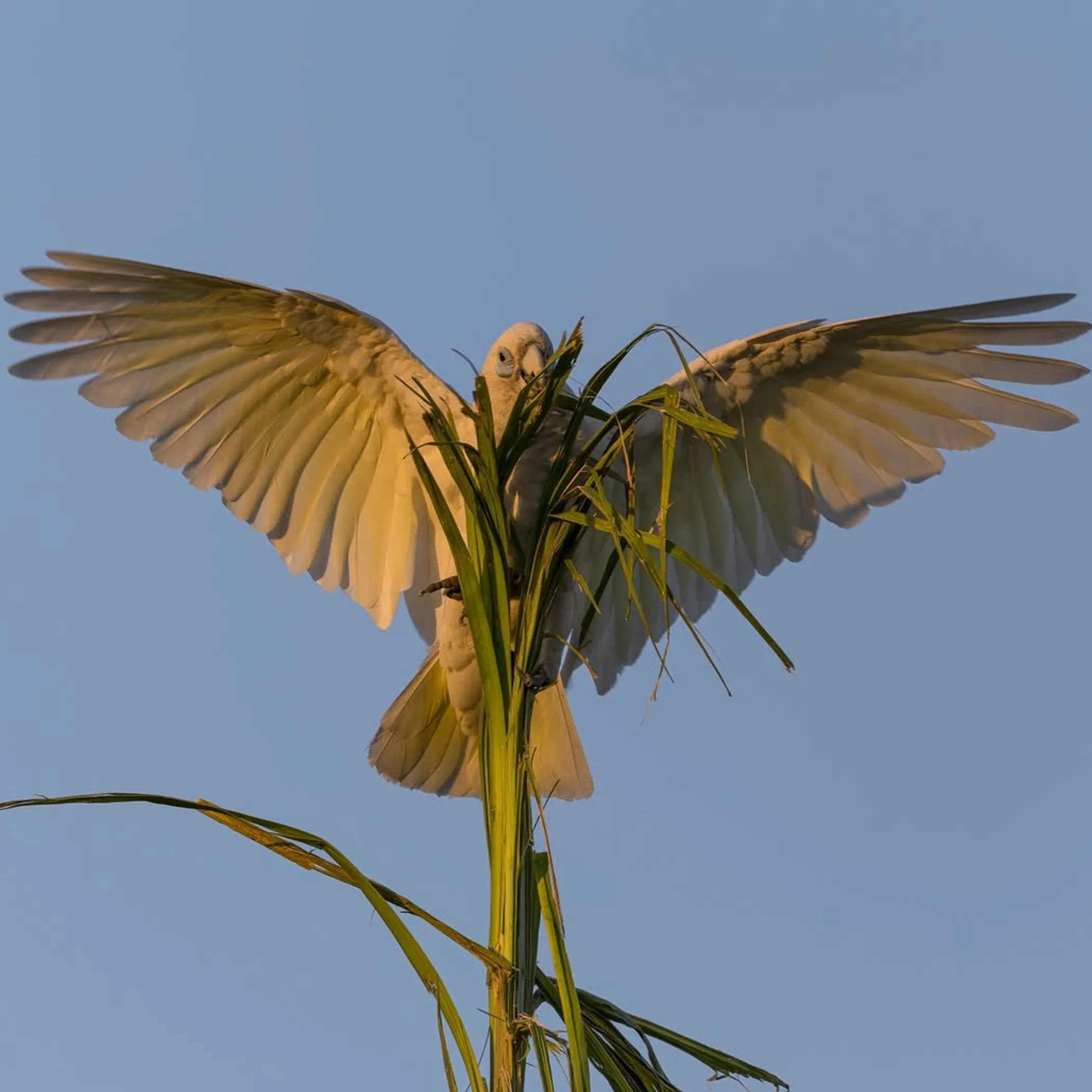
Kakadu has its share of corrugations, dust and water damage on the gravel and sealed highways, and some sections are off limits after a rain. A 4WD is not a prerequisite for the park but you may find one, or at least a high-clearance vehicle, called for on certain roads.
Before you set off, see that your vehicle is in order: tyres and spare, fuel range, recovery gear. On the road, be conservative with your speed and give way to oncoming traffic, unsealed roads in particular. Do not put yourself in a position where you have to stop unsafely; stay alert for the likes of road trains and big tour vehicles which can come out of nowhere on major approaches.
Fuel And Return Routes
Put some thought into your route and where you will get fuel. Not every attraction makes for a convenient loop; at times you will have to retrace your steps and in the wet season a flood could put an end to your exit of choice. Make sure there is enough daylight and confirm the route before you go.
Should you come across a closed road, do not try to go around the barrier. There are washouts, deep holes and currents under the floodwater that are not immediately obvious. Any vehicle can be swept away, this is not the Northern Territory to put a manufacturer’s claims to the test.
Camp Clean And Keep Wildlife Wild
In Kakadu camping safety comes down to preparation and a discipline with food. Put away cooking equipment, rubbish and provisions, make sure the site is in good order and abide by what is said about fires, generators and wildlife.
You will find mosquitoes are no respecter of persons in the wetter months or near the wetlands. Long sleeves and repellent are called for, as is sleeping under insect screening that is in good repair. Have any medication on hand for allergies and so on, and check for bites.
Traditional Owners
This is Aboriginal land and it is managed in concert with the traditional owners. Observe access rules and leave cultural sites that are closed to you. Rock art is not to be touched, climbed on or meddled with. Such responsible conduct is what preserves the heritage and keeps the park open to all.
There are permits for certain areas and activities and the rules are subject to change. Look up what is required now instead of taking your cue from a friend who was here years back or an old post on a forum.
An Emergency Calls For A Quick Response
With coverage call Triple Zero, make your location and the problem known. Lacking a mobile signal, a satellite device or emergency beacon is your recourse, or contact the nearest ranger. Do not leave an injured person unless you must in order to obtain assistance; if it is safe, put out water and shade. One does not move someone with a serious leg or spinal injury without cause. In a park of this size response can be slow, so a written trip plan and prevention are important.
When Things Go Wrong
A broken down vehicle is best left where it is; it is far easier to find than a person making his way into bush he does not know. Conserve water and put out a signal, do not be travelling in the heat of the day without a route.
A member of the group is lost? Make yourselves seen and heard and halt. Sending people off in various directions is not the answer. Give rescuers the track name, description of clothing, vehicle details and the last place the person was seen.
Frequently Asked Questions
The following are put forward as practical principles for the errors most often made by visitors. But conditions are not static, so verify any park alerts you may have missed.
Is it safe in Kakadu National Park?
It is, provided one has regard for basic bush safety, warnings and closures. The risks are real: crocodiles, the heat, remote roads, flooding and poor communications. With a sensible plan and the right supplies a visitor will have little to worry about.
What to be wary of in Kakadu?
Water, rock edges, unsealed roads, the wildlife and extreme temperatures. Barriers are there for a reason, do not drive through floodwater or swim where you should not. Park alerts should be read daily as hazards can present themselves in short order.
Can one swim in the park?
Only at places that are open and designated for it. An unsigned area or a closed one is to be avoided. Take it for granted that a river or billabong is home to a crocodile and act accordingly.
Are there crocodiles?
Saltwater and freshwater varieties are in evidence in Kakadu. Unless in an approved area keep clear of the water’s edge. Do not feed the wildlife and have children and pets in tow.
Hiking in Kakadu, what to do first?
Ascertain the distance, difficulty and return route, and look at the weather and track status. Be in possession of a torch, first aid, sun protection, sturdy shoes and water. Let someone know your plans and factor in time for the heat and stops.
Enjoy More By Being Prepared
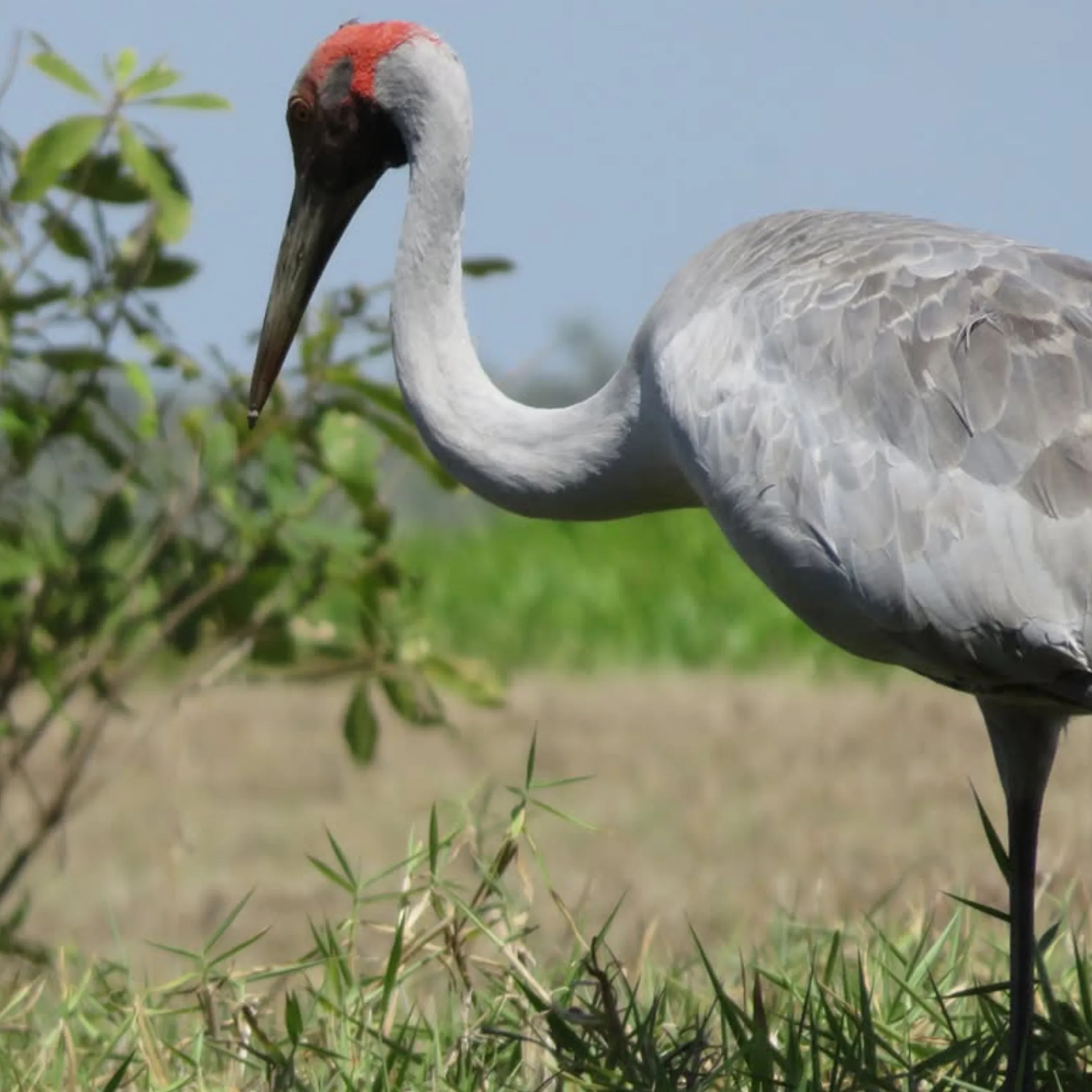
An over ambitious itinerary is not the recipe for a safe time in Kakadu. Leave yourself scope for the odd alteration of plan, for road delays and the rules that apply to wildlife. Be realistic about your route, respect the traditional owners, be croc-wise and shield yourself from the sun. Kakadu has no sympathy for the traveller with a heroic attitude and a single small bottle of water, but it will reward patience and preparation.