
The premise is straightforward when it comes to a new community skate park design in Australia: you get the best facility from those who will be using it. To make a project of this kind a success one has to put skateboarders, BMX and scooter riders, families and young people in the room with residents, council staff and the designers.
There is a process to follow, from ascertaining what the community wants and picking a site through to consultation and concept design, then on to funding, getting approvals, detailed design, building and seeing to its maintenance down the line, including local skate park stewardship. I am Stella Ashbury. My research into Australian outdoor and community matters over the years has taught me that public space of any quality is had by listening at an early stage and minding the nitty-gritty, not to mention giving the mozzies, the summer heat and your budget spreadsheets their say.
Local Needs First
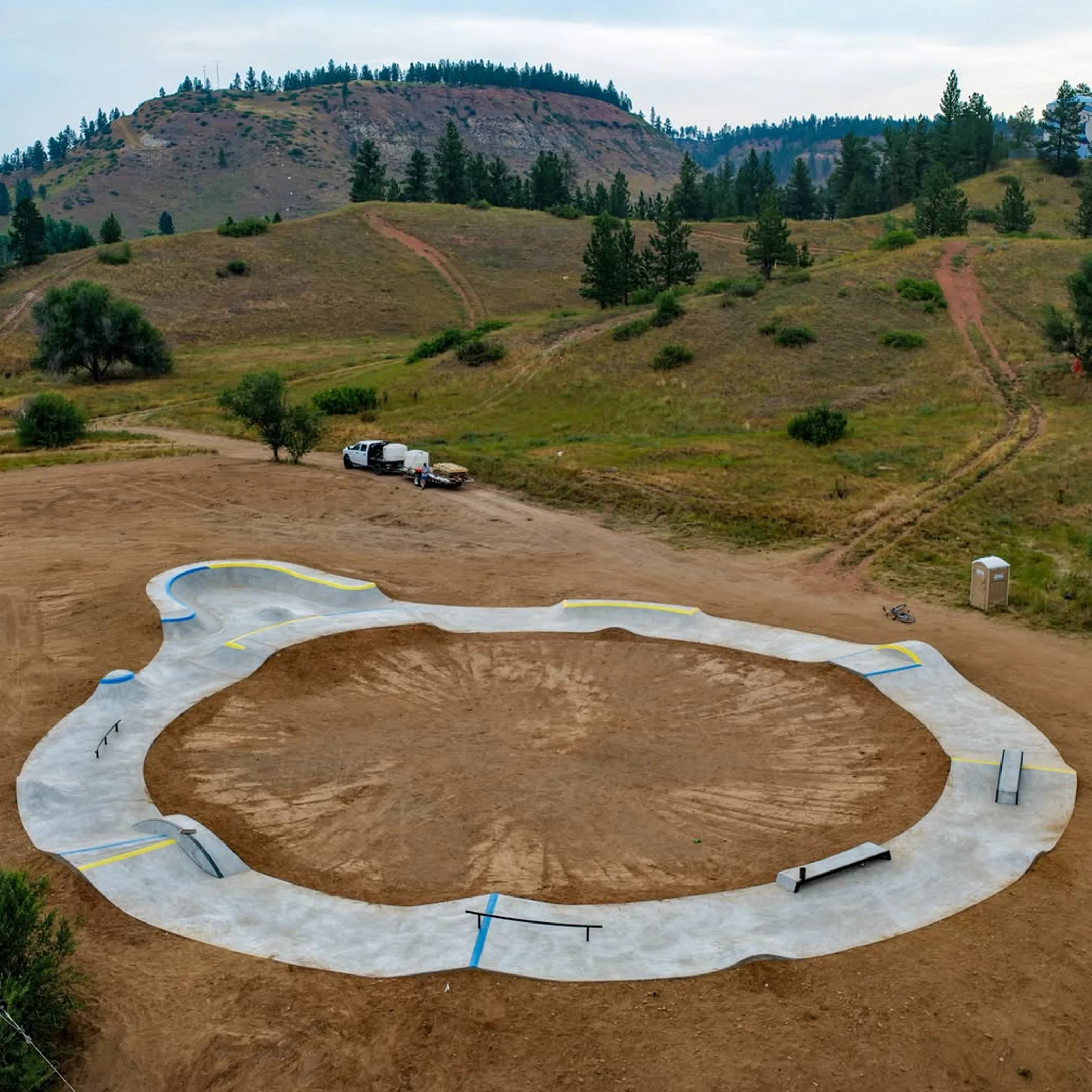
Do not make the mistake of replicating some popular setup in another suburb; a new park ought to address something in the locality. It is for the community to know who is going to want the park and how they are going to get there and what sort of public space the climate will allow.
In the course of planning here in Australia one must have evidence. A resident may be after a safe haven for his teenagers, or a rider could do with some better terrain on his doorstep. Families will want shade and a toilet and somewhere to sit. Then you have the council officer with an eye on land ownership, drainage, traffic and lighting, and the construction costs over time.
Users And Access Mapped Out
A project map of the proposed site should be uncomplicated but show you the lay of the land: schools, transport, shared paths, car parks, pedestrian crossings, shops and any recreation already in place. Make sure access for emergency services and construction is marked.
Just because a piece of ground appears empty does not make it suitable. See if it is prone to flooding in a downpour or gets beside a busy road. Up north the wet season and cyclone warnings from November to April can put a crimp in construction plans; in the south there is the matter of bushfire closures and the heat. The 2021 Census QuickStats data from the ABS will give a council an idea of the household profile and age structure in the vicinity. Use that to inform your direct engagement with the community, not in lieu of it.
Find A Site That Is Right
You would be surprised how much the choice of site dictates cost, visibility and safety. A flat expanse might save on earthworks but without water, shade or decent transport you are left with a concrete island the community will not be keen on. An all-ages park needs to be in a location that is well connected and visible yet affords nearby residents some respite from the noise and late-night comings and goings.
Practicalities
Before the council puts its name to the land the team should be on top of planning controls, contamination, heritage, underground services, bushfire risk and so forth. Do not put a date on the calendar for an opening until these initial checks are done.
Transport is important. If the only way to the park is across a road with no safe crossing it is hardly walking distance. You want footpaths and bike access and an entrance that does not require going round the bins or through the car park. Put in a proper dunny and a drinking fountain and a bit of shade and it will be as valued as an extra ledge.
| Planning Area | What To Check | Why It Matters |
|---|---|---|
| Access | Footpaths, parking, public transport and crossings | Users can make it there safely |
| Climate | Wind, rain in the wet season, lighting and heat | The facility remains usable year-round |
| Surroundings | The park should sit right in the neighbourhood and not cause friction with homes or schools | The park fits its neighbourhood and reduces conflict |
| Construction | Ground conditions and vehicle access | Build costs and delays are easier to control |
| Operations | Rubbish, water, inspections and cleaning | The park is still safe once it is open |
Riders And Residents Have A Say
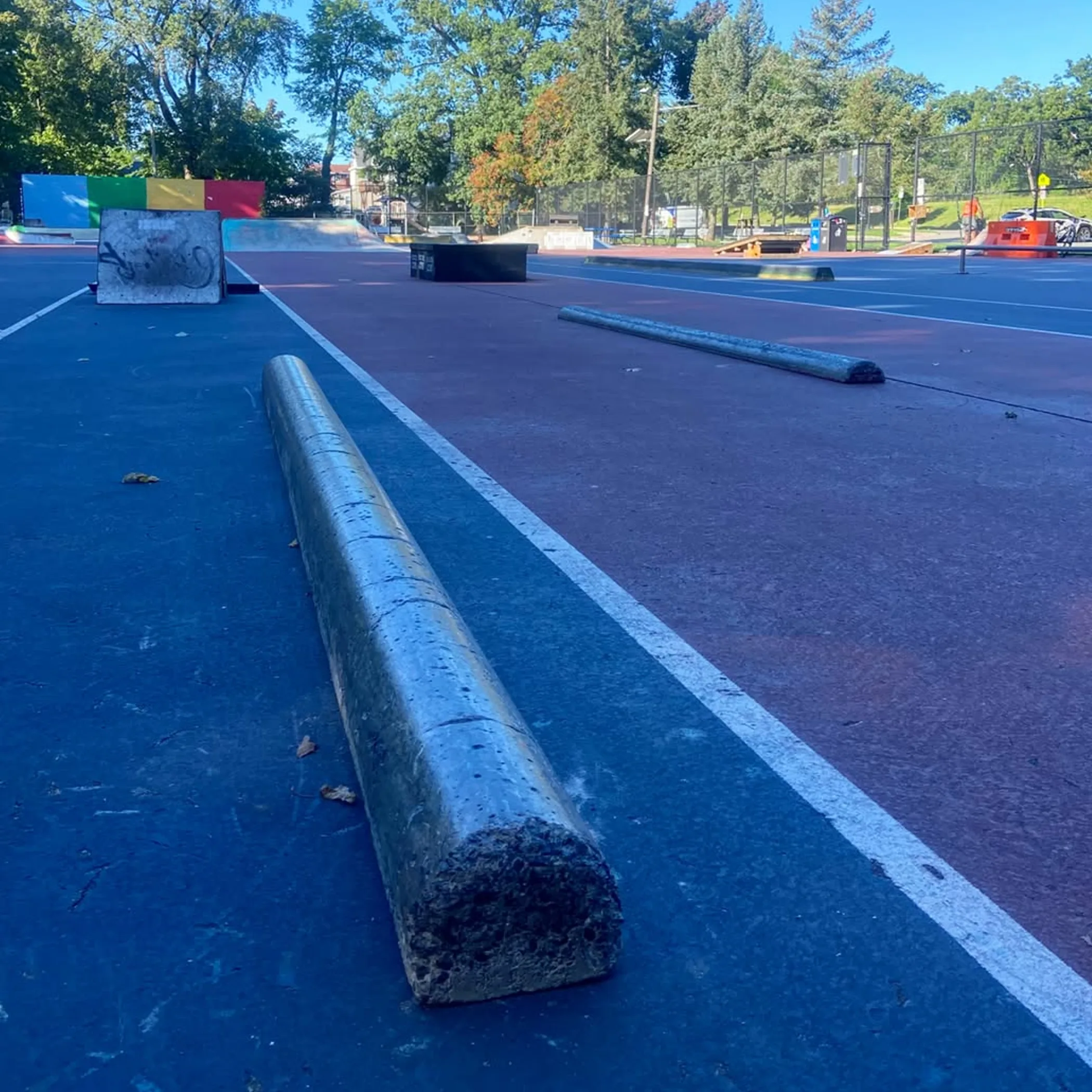
Consultation is only worth doing if it makes a difference to the outcome. Putting up a weatherproof display board at the eleventh hour is an announcement, not a consultation. With a good design you start talking to people before the park’s shape is set in stone. It is for the project team to put forward an account of the budget, what the site will allow and any decisions or approval stages that have yet to be resolved. There is no pleasure in being dangled a lighting package, a plaza and a bowl when the funding will not stretch beyond a modest area for beginners; such transparency is how trust is established.
Useful Community Workshops
One can hold workshops for the community with sessions set aside for the various constituencies: parents, those with a disability, people from the neighbourhood, as well as the more seasoned BMX, scooter and skateboarders and their less experienced counterparts. Youngsters are not there to be decorative. They will tell you where the awkward or unsafe features are and how the space is put to use and where trouble is apt to break out.
An online survey is a way to get some general feedback but it tends to be the preserve of those who can put words to skate features. Put things in plain terms with photos and scaled drawings and ask your participants what prevents them from riding as much as they would like, what time of day they are in public spaces and how they get about.
Rider feedback is only as good as its specificity in my view. “Make it better” is of little value. But if one is told to leave a clear run between the bank and ledge so boards and scooters do not come to blows, a designer has something concrete to put to the test.
Developing A Concept
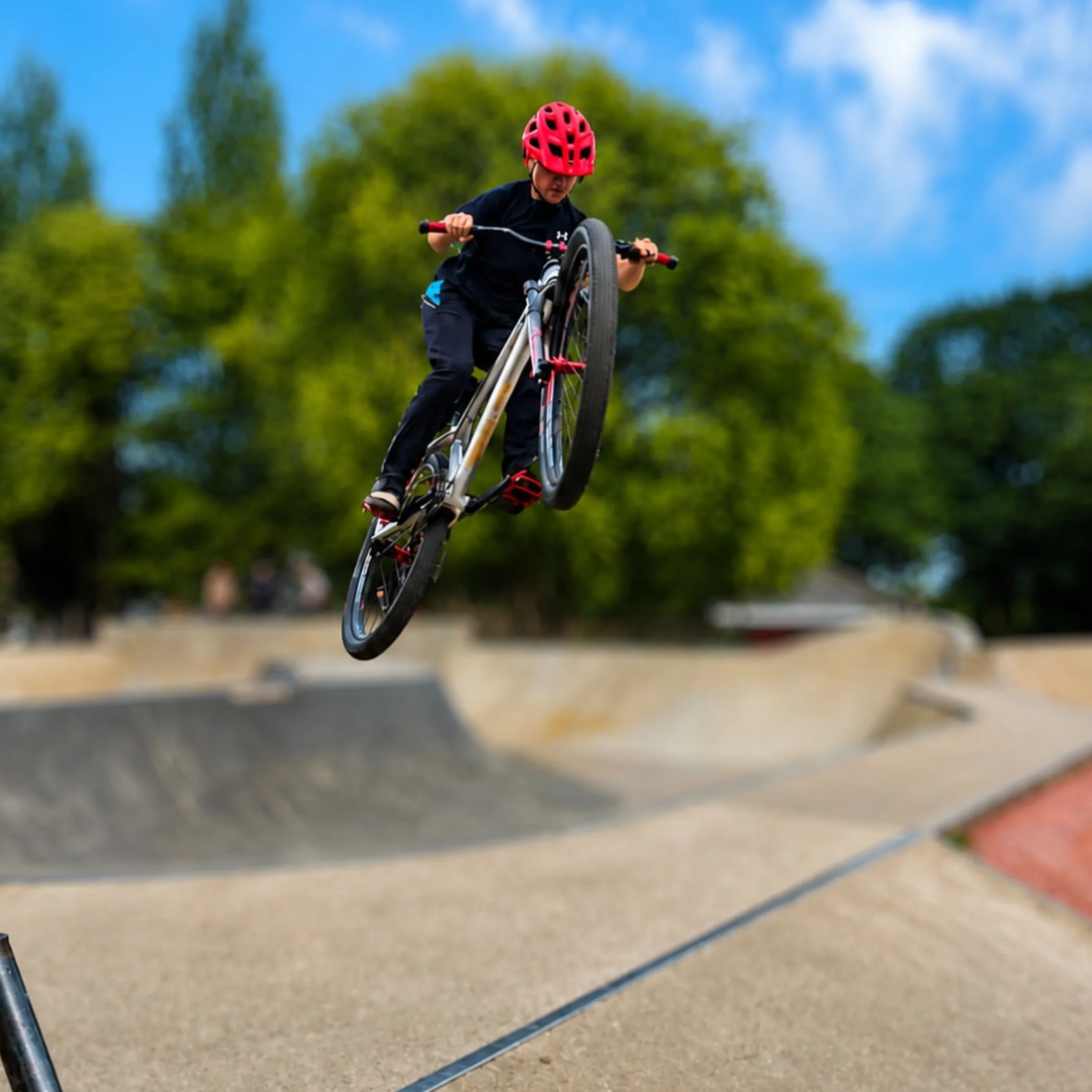
With co-design a workable layout is made of the community’s input. The concept should make evident the relation of the larger features to each other, the location of beginner areas and the flow of the park. Do not attempt to oblige every request by cramming in obstacles, a strong concept will not do that. An over crowded park is hard to read and invites collision. For many communities a combination style park is a good compromise of open lines, bowls, banks and transitions.
Cater To All Skill Levels
There ought to be a clear progression at an all-ages park. Generous run-out and low platforms for the novice, variety for the intermediate rider to link up features and technical challenges for the experienced without them having the place to themselves.
For an all-abilities facility a ramp at the door is not enough. Designers must look at legible routes, smooth transitions, seating and surface changes and what is required for those with sensory, vision or mobility access needs.
Communities looking into public skate facilities might do well to study projects like Prahran Skate Park in Melbourne, Cochrane Park in Townsville or Harold Phillips Park in Wollongong. Or take Cassy Lives Skate Park locally, which is testament to the importance of local participation and identity as much as the steel and concrete. But do not copy the footprint, the process is what should be examined given the differences in each project.
Safety And Comfort
You do not make a park safe by doing away with all the challenging elements. Risk is best managed with quality construction, sensible separation, clear circulation and sightlines, and the supervision of users and families.
A professional will want to see to the drainage, lighting, edges, fall and collision risk, and emergency vehicle access. He will also consider the perimeter and where the younger children and their parents will be. On paper a park may seem fine but once twenty riders turn up after school it can be cramped.
Put Amenities In The Budget Early
Shade, water, planting, rubbish bins and the like should be in the early figures. Once the electrical and concrete work is done and the drainage in place it is not easy to put these in.
Think hard on the lighting. While it adds to the hours a park is usable, put it in the wrong spot and you have glare for the riders or the homes next door. In the Top End and northern Queensland the materials have to stand up to the humidity and the rain, in the Pilbara one has to plan for dust and heat. And for residents fretting over noise and parking, give them an answer, not a shrug. Proper rules, maintenance and passive surveillance will go a long way to curtail issues, though there is no magic force field at any public facility.
Funding And Approvals
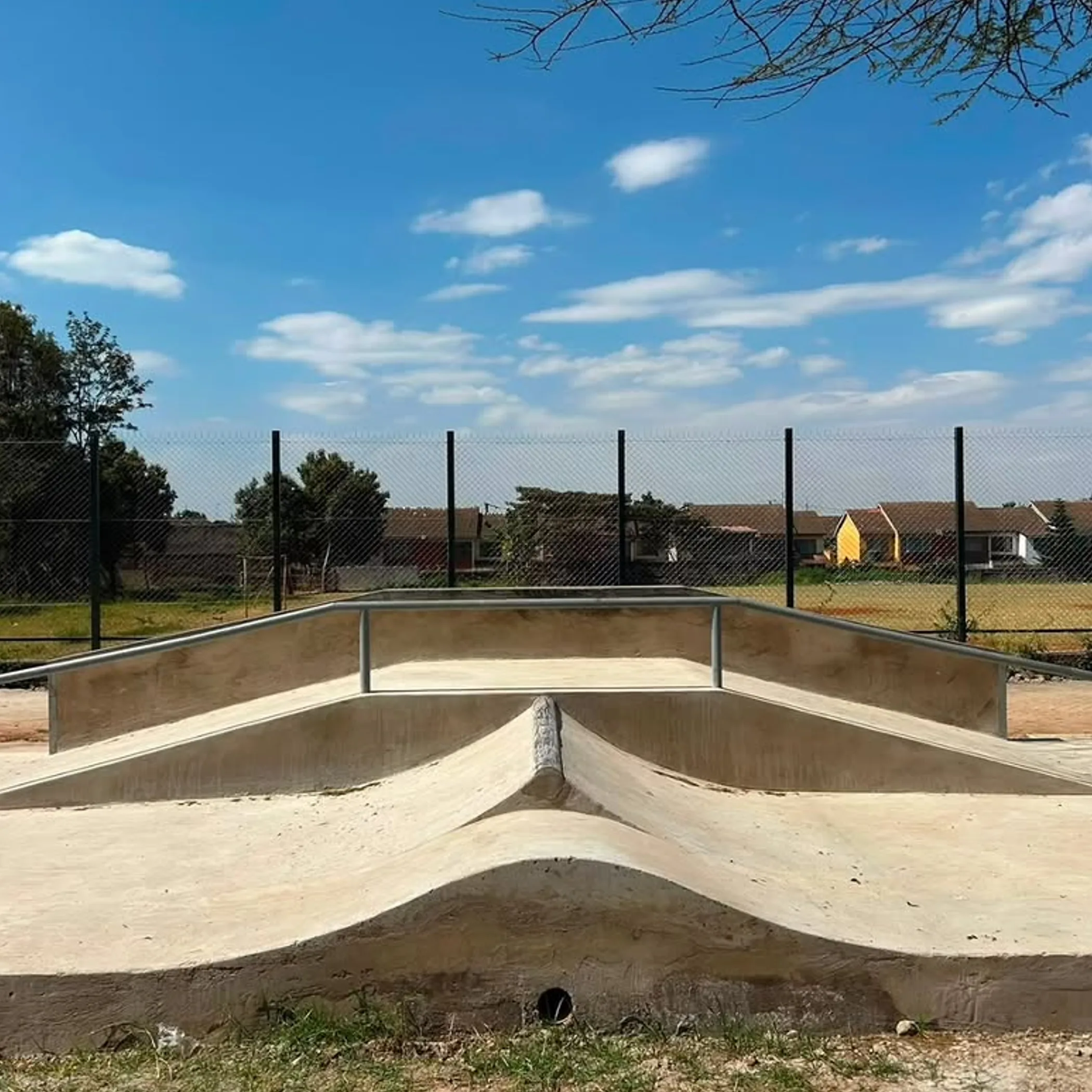
Professional fees, the ground, size, materials and amenities will all have a bearing on the cost of building. A whole-of-life budget is what is needed, not just the price of the concrete.
Some of it will be found in council budgets, some in state or federal programs, philanthropic grants or lotteries. In Western Australia Lotterywest is a body that may put money behind community infrastructure within its eligibility requirements, other councils have their own means.
The Business Case
The social impact of the project is made plain in a well-argued business case. One might put forward youth recreation, physical activity, the quality of public space and social connection as examples, or point to inclusive access, local identity and what the project could do for shops and services in the vicinity.
Then there are the likes of Cardinia Shire, Stonnington City, Townsville City, Wollongong and Gladstone Regional Councils which operate in their own way. The populations they serve will have varying pressures, be it climate, land, funding or otherwise. What comes of it is simple: a good proposal has to be rooted in evidence, be of its locality and leave no doubt as to who is the beneficiary.
And when it comes to approvals, one must contend with planning, building, environmental, accessibility, traffic, noise and public liability matters. It is for the council to put a project lead in place that can talk you through the skate park development from the first feasibility study to the day of handover.
Complete Design And Construction
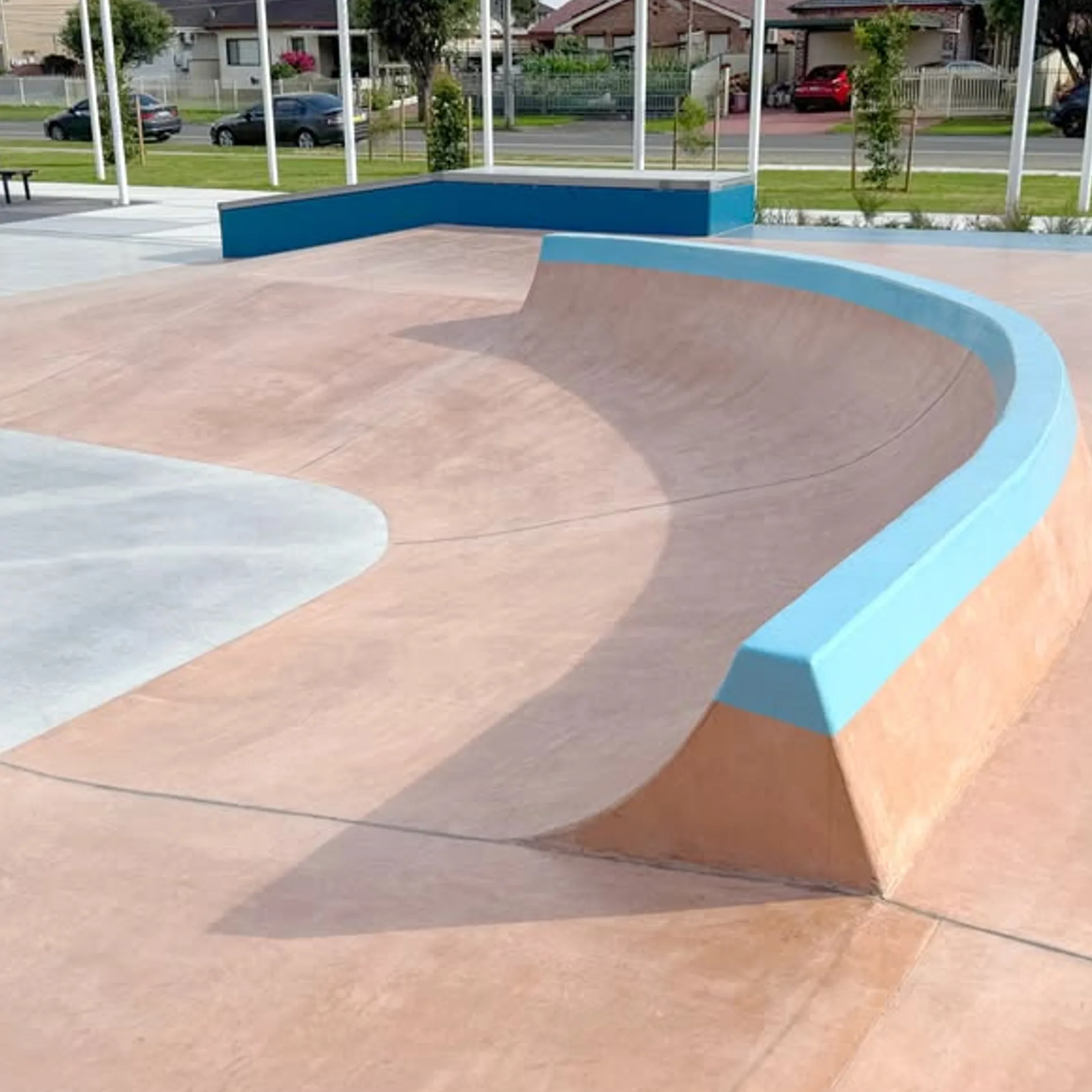
With the concept in support, detailed design takes over. All the nitty-gritty is sorted out at this stage: levels, slopes and transitions, surface and drainage specifications, reinforcing and construction joints, lighting and the like.
Engineers, landscape architects and contractors will be working alongside professional skate park designers. Convic is an Australian practice with a name in the field of youth spaces, but a community would be wise to vet any design team on the basis of references, technical ability and how well they know the local conditions.
Real Delays Will Happen
Wet weather, a lack of materials, contaminated ground, design alterations, the availability of a contractor or some unanticipated service below ground can all put a hold on construction. In the north the wet season puts an end to earthworks, in other places extreme heat dictates safe hours of work.
Prior to opening the council should see to independent inspections and tests of the surface, lighting and drainage, as well as reviews of accessibility and a bit of practical rider testing. A controlled opening will show up any flaws before the park is as full as sardines on a Saturday.
Long Term Maintenance
You could say opening day is where stewardship of the park commences. Concrete does not look after itself; it calls for cleaning, graffiti and rubbish removal, repairs to the lighting and surfaces, and vegetation to be put in order.
These maintenance obligations ought to be settled before a spade is put in the ground. The council should make known a means of reporting and what constitutes an urgent matter. Riders will spot a hazard in short order but are not to be called upon to fix public works.
Post Opening Review
At one month, six and twelve months in, take stock of the park. Are the paths and parking holding up? Is the lighting a source of complaint? Do beginners feel at home? Rely on incident reports, user feedback and your own eyes rather than making attendance the sole measure of success. There is considerable social value in a modest park that offers local teens a safe haven even if it does not pull in visitors from the rest of the state.
I would advise putting aside a small reserve in the budget for year one. When you have real people and bikes and the elements involved, minor things come to light. That is information to be acted on, not a failure.
Frequently Asked Questions
How does a skate park serve the wider community?
By offering a legitimate place for young people to be and free or inexpensive recreation. It can foster social ties and physical activity, put an underused public space to better use and tie in with schools, paths and commerce. Provided there is sound site planning and management.
What are the costs?
Do not expect a national figure. A regional destination park complete with bowls, lighting, toilets and major access will be far more than a small facility. Have the project team get current quantity surveying and factor in everything from design fees and contingency to ongoing upkeep.
Site selection – what to bear in mind?
Safe access for cyclists and pedestrians, transport, visibility, the proximity of homes, flooding, shade, underground services and so on. The cheapest block is not necessarily the best; a location with better connectivity will present fewer headaches.
Who should have a say in the design?
Skateboarders and BMX and scooter riders, parents, the disabled, council officers, engineers and designers. They will all see different risks and opportunities.
Is it for the beginner?
If the layout is right. There should be smooth surfaces and open space for learning without having to put oneself in the path of an advanced rider. Let actual users test the plan before you commit to building it.
Build Something The Community Can Call Its Own
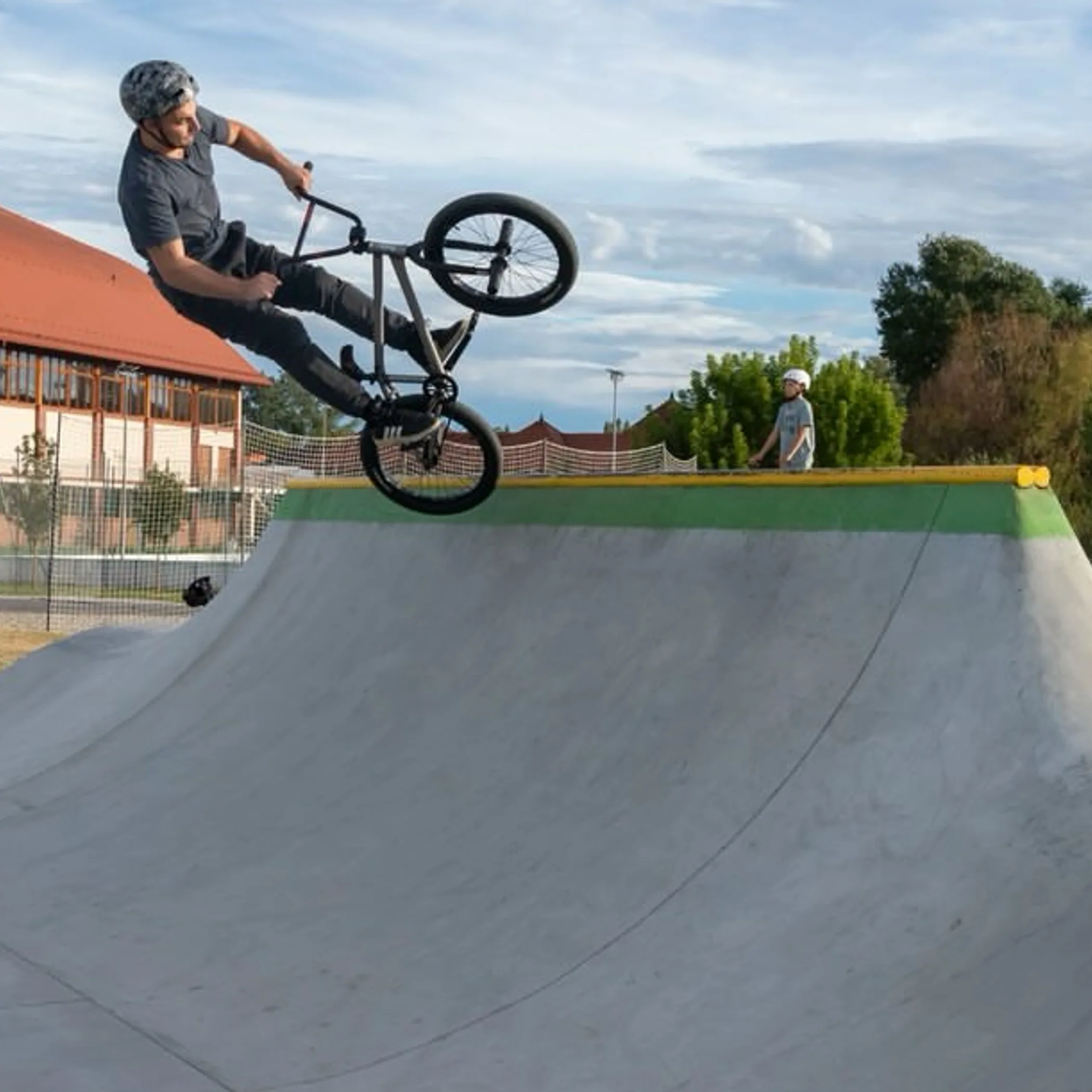
In the end, build something the community can call its own. The finest parks in Australia are not just concrete; they are the product of a suitable site, an honest budget and a maintenance plan that endures. Start with the people and involve the riders to the last inspection. Do that and you have a lasting piece of public space, not an expensive slab left to chance.