
Lip blush is cosmetic tattooing, not some harmless beauty quickie, and the safety risks in Australia for 2026 are worth knowing. While the procedure will give you a more defined lip and a gentle tint, it requires breaking the skin with pigments and there is a healing phase that can be problematic if one is lax on aftercare, health history or hygiene.
In this guide I set out to cover the practical risks and what an Australian should consider before making a booking. For a lip blush versus fillers overview, see this comparison. My name is Stella Ashbury. To put it simply: with a professional who has the qualifications and adheres to the right standards of hygiene, using sterile gear and the correct pigments, lip blush is as safe as can be. Yet no technician in his right mind would say it is without risk or put forward any guarantees of a flawless outcome.
On the subject of safety
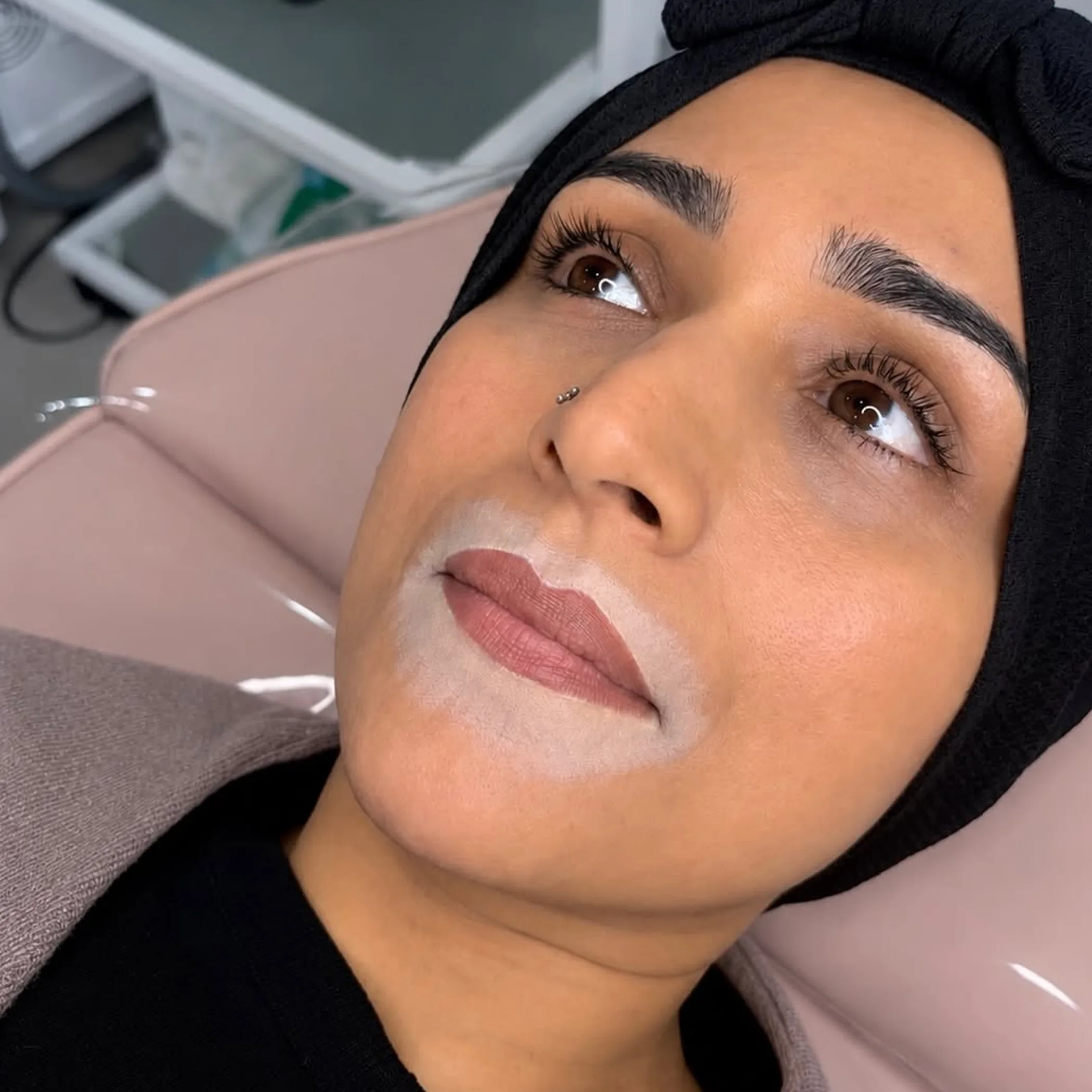
As a semi-permanent makeup treatment, a technician puts a machine to the superficial lip skin to implant pigment. The effect is generally less harsh than a conventional tattoo but infection, scarring, an allergic response or unevenness are still possibilities.
One cannot take the salon’s Instagram as proof of safety; a well appointed waiting room does little to sterilise a needle. Regulations differ from one state or territory to another and even at local council level, with public health laws in some places governing skin penetration and in others the onus being on the premises for matters of registration and infection control.
There is no dependable national figure to tell you what percentage of clients in Australia have run into complications. So much the better to be wary of any talk of “no downtime” or “completely safe”.
The ins and outs of the procedure
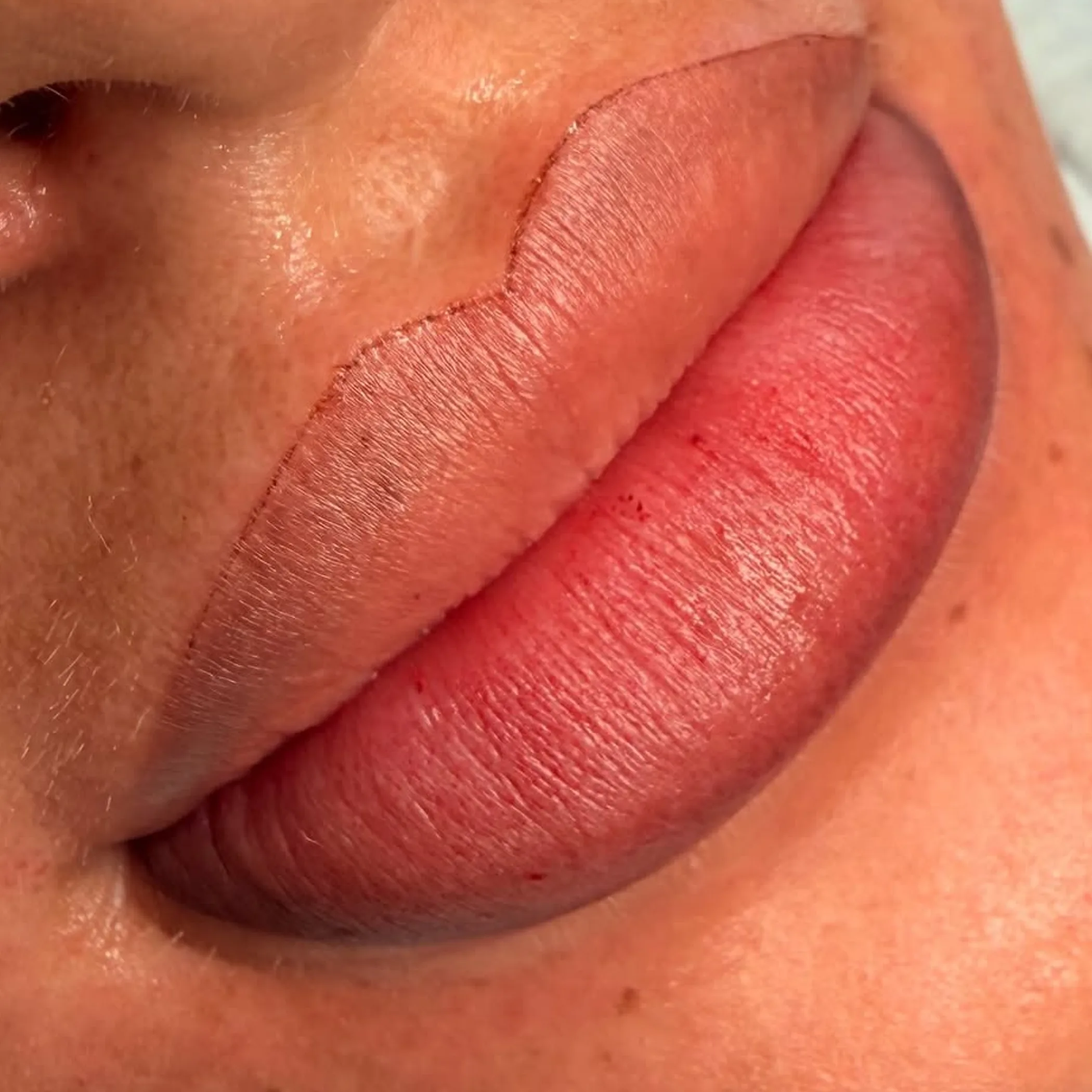
After cleansing and numbing the lips with a topical, the technician will map them out and make several passes to put the pigment in. Expect some tenderness and swelling and a colour that is perhaps more pronounced than you like in the early going; it will mellow once the top layer of skin has flaked and healed.
Then there is the matter of individual factors such as smoking, sun, your natural lip colour, skincare and the like. A second session may be called for but do not assume it will put right every imperfection.
Side effects
For the most part they are temporary, though not exactly pleasant. Lips may be dry, tight or swollen and the colour will seem very bright until it comes down. The disparity between what is hoped for and what is seen can be a shock; a fresh lip blush can appear a bit wonky or intense with the swelling. It is not the end of the story, but if pain is acute or redness is spreading, proper attention is required.
What to expect and when to be concerned
| Change | Often expected | Needs professional advice |
|---|---|---|
| Colour | A darker or brighter hue is normal post-treatment. | Discolouration that is quickly spreading, major migration of the pigment or grey-black patches. |
| Swelling | Some swelling is to be expected after the appointment. | Swelling that is getting worse and is painful or impedes breathing. |
| Skin surface | Flaking and dryness as the skin heals. | Pus, an open ulcer, or heat and redness. |
| Final result | Unevenness during the healing process. | Persistent asymmetry or patchy fading after healing is complete. |
Other risks are contact dermatitis, bruising, scarring or a shape that is not to your liking. An outline that has been put in too dark or in the wrong place is hard for a technician to put right.
When it goes wrong
An infection, an allergy, cold sore issues, a colour or result the client did not sign up for, all fall under “lip blush gone wrong”. And fixing it is not always straightforward. More tattooing will only deepen an unwanted colour and laser removal has its own attendant risks and will likely mean more than one visit. Should the situation become seriously painful or infected, a GP is a better port of call than having the technician put more work in.
Allergies and infection
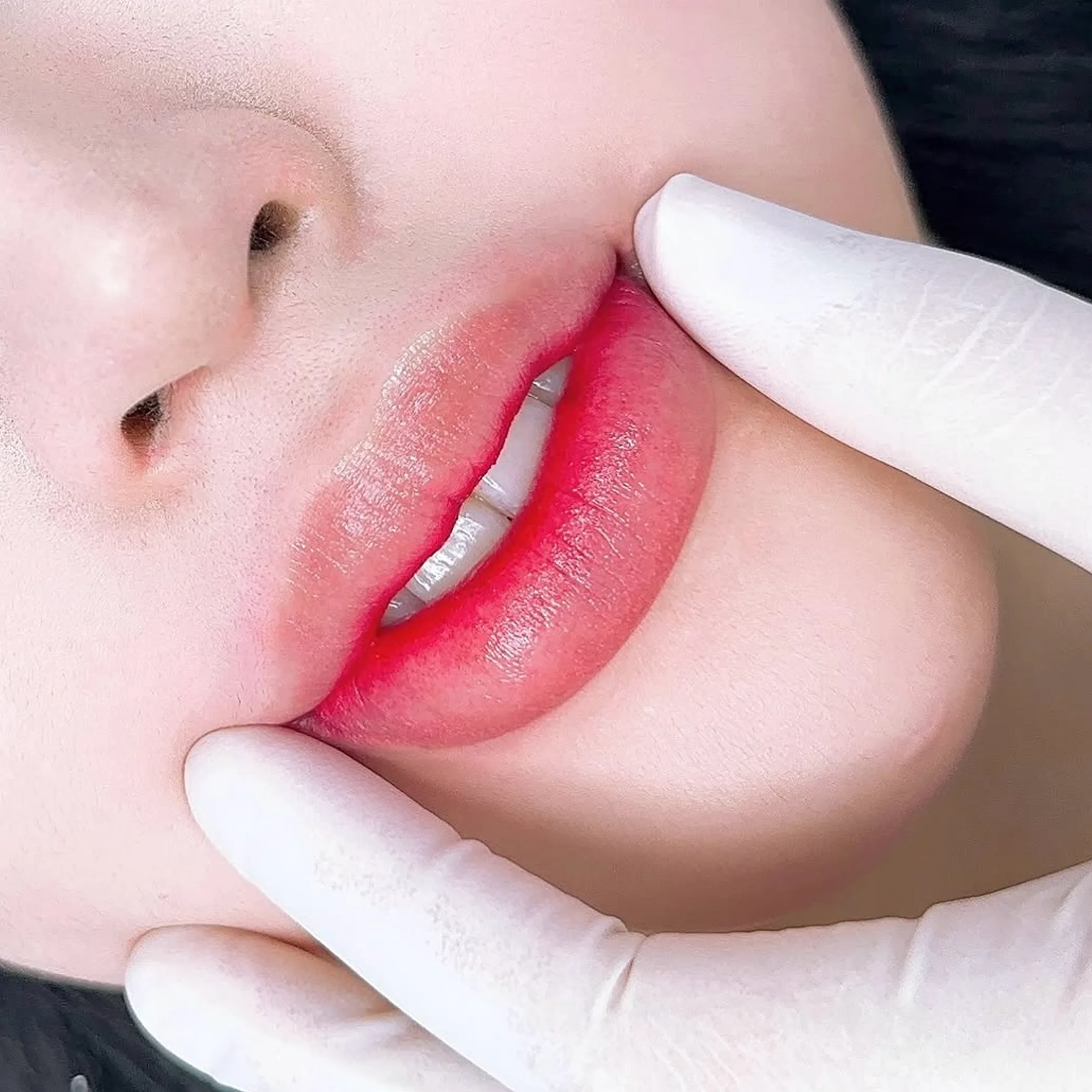
Bacteria can find their way in where the skin is broken. Infection is rare if the right controls are in place but shared equipment, bad hand washing or the wrong premises will put that at risk. As for an allergic reaction, the culprit could be in the aftercare products, the adhesive, the antiseptic or the ingredients in the pigment and anaesthetic. While a patch test will turn up some reactions, it is no way to be sure of all delayed or localised ones. Make it known to the technician of any allergies prior to having a product applied to your lips.
Questions to put to your technician
- Do you have the requisite training and legal standing to offer this service here?
- In what manner are single-use items like needles and cartridges opened, put to use and then disposed of?
- What is your protocol for disinfecting and cleaning surfaces from one client to the next?
- Which numbing products and cosmetic pigments are in use?
- Should an infection or unanticipated swelling or rash set in, what is the procedure?
- Where can I view your council registration (where that is the case), insurance and credentials?
You would do well to look over the work area and ensure needle cartridges are sterile and sealed. The technician must don the right gloves and wash up, not be touching phones or drawers with soiled gloves, and make clear what is done in the event of accidental contact with equipment or surfaces.
Your research into lip blush may take you to the Cleveland Clinic or AE Studio. Such online material is good for formulating questions but let the practitioner’s honesty on risks, his or her hygiene and training, and readiness to put off treatment if circumstances do not warrant it, be the measure of the appointment.
On the subject of cold sores
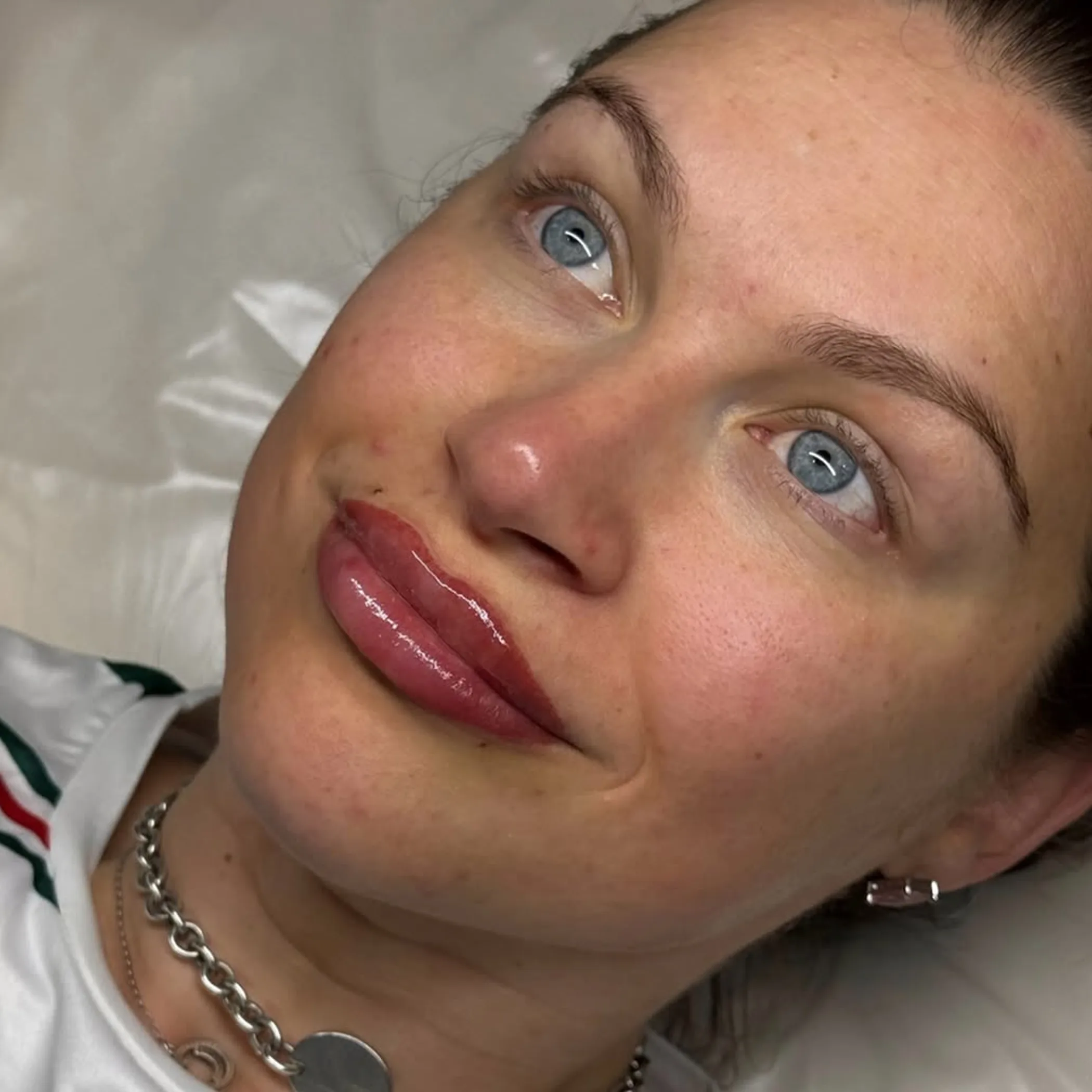
Those with Herpes Simplex Virus can have an outbreak as a result of lip blush even without one in recent times. The trauma to the lips is enough to rouse the virus so the attendant risk should be properly discussed and not waved aside with “I had one years back”.
Put your GP and the technician in the picture of any cold sore history before you book. Your GP might be of the opinion that preventative antivirals are called for given the procedure and your personal record. But do not put yourself on a prescription because a salon or social media tells you to.
A cold sore shows up
Make no attempt to hide a suspected one with makeup, nor to pick at or scratch it. If there is fever or the lesions are spreading or more painful than usual, see a GP or pharmacist for guidance. Refrain from kissing or using the same lip products as others when you have an active lesion and heed medical advice on its treatment.
An active cold sore, a rash of unknown origin, an open wound or cracked skin around the mouth are reasons for a technician to put off treatment. One does not want to treat compromised skin; trouble is hardly an attractive accessory.
Who needs to wait
There is no universal list for who is unsuited to lip blush; it comes down to the practitioner’s scope of practice, the state of one’s skin, current medication and medical history. A responsible technician will screen you before a deposit is taken or he starts work.
Postponement is in order with an infection, open wound, severe dermatitis or a known sensitivity to the pigments or numbing agents. For those who are pregnant or immunocompromised, on medicines that impact bleeding, have a propensity for keloid scarring or a major medical condition to contend with, a word with the GP is prudent.
Medical history
Medical history is something the practitioner should be made aware of: diabetes, immune issues, skin disorders, allergies, poor healing in the past, prescribed drugs, cold sores and any reaction to a cosmetic tattoo. There is no need to discontinue a prescribed medicine to accommodate a cosmetic appointment.
Timing can be affected by active swelling, dental work or recent injectables. Get both providers’ views on how long to wait. When in doubt, err on the side of caution and delay; a refundable fee is a small price compared with a medical complication.
An Australian artist you can trust
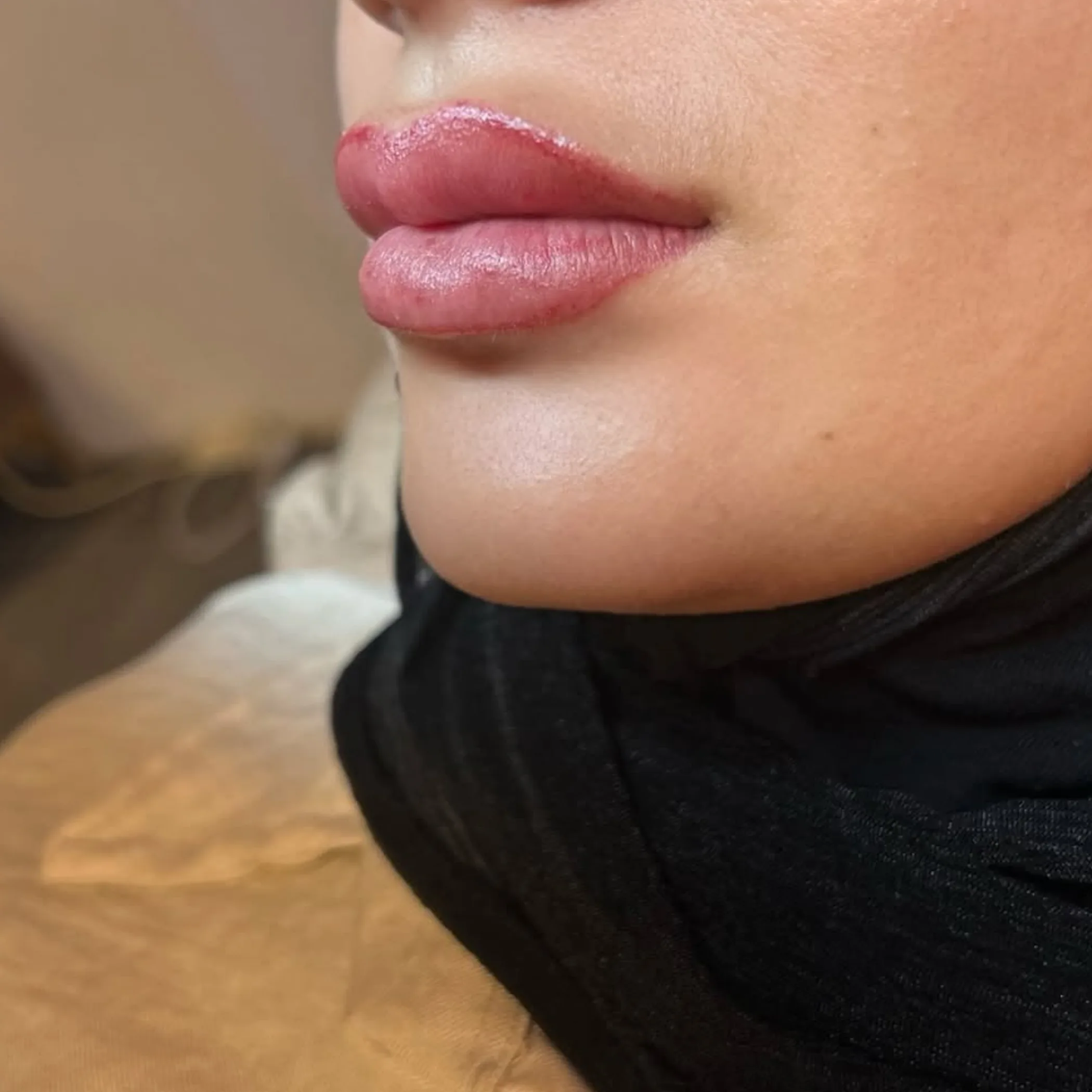
Go with a qualified professional or licensed technician for whom a consultation is part of the service and not an inconvenience. Regulations of the state and local council differ across the country so ask which apply to the premises.
A large following or a good deal should not be the only reason to book. An average national figure in AUD would not tell the whole story since prices in any city are influenced by experience and inclusions such as a follow-up. Have a written quote and find out if aftercare or a review session is an added cost.
Have a look at the clinic first
Have a look at the clinic before you commit. Public information and the premises itself, if you can get there, should reveal a tidy treatment room, plain consent details and answers on infection prevention. Should the technician put you off with talk of complications “never happening” or promise a certain result, then leave.
One should also think in terms of practical logistics. Put in place transport for the journey home in case of any discomfort or swelling, and do not try to fit the appointment and consultation in between work and a school run; make time for it. There is no point in booking right before you are off to a wedding or a long-haul flight, or on to a beach holiday. A fresh lip blush and a dusty road trip do not mix well.
Safe Lip Blush Aftercare
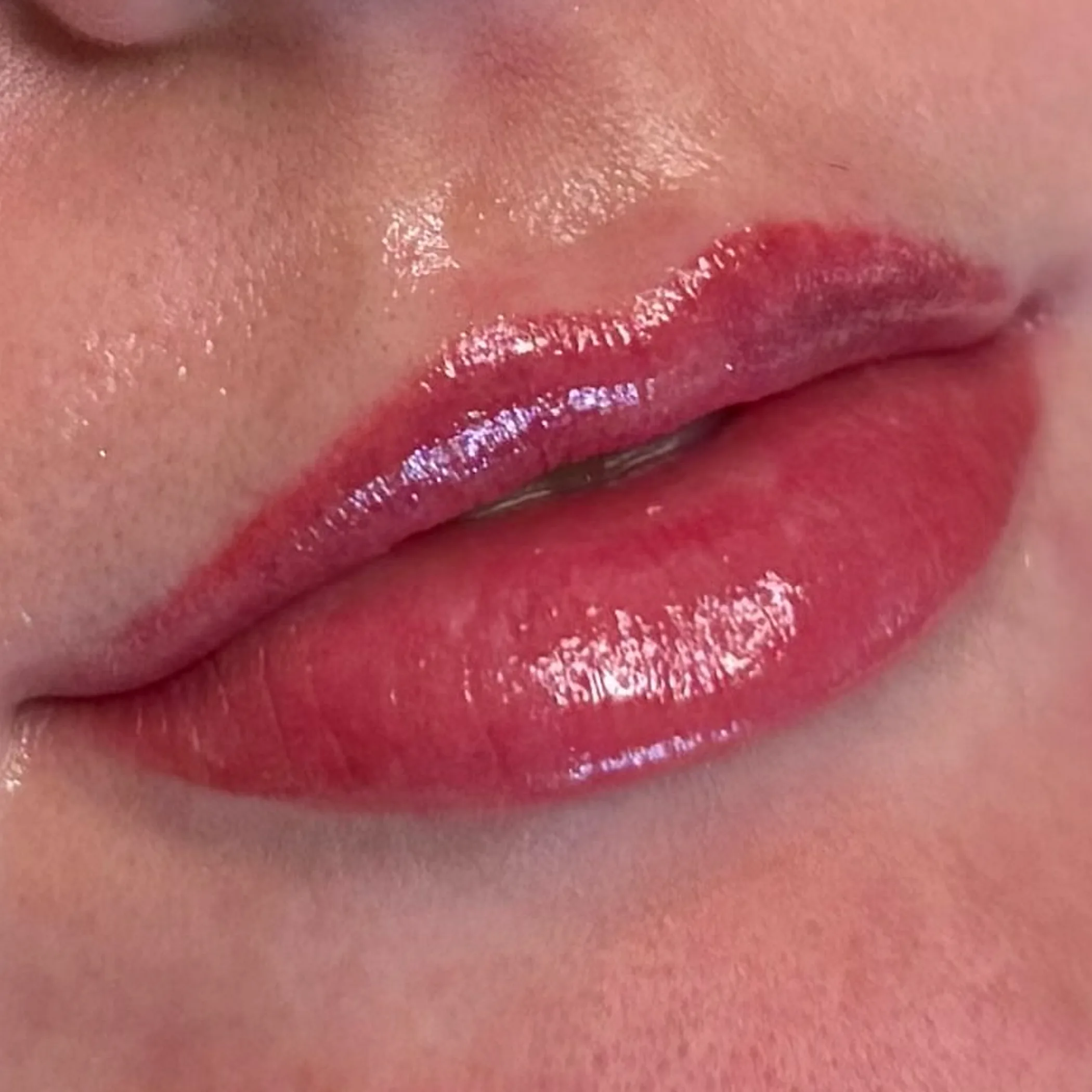
The purpose of aftercare is to shield the skin as it heals and to spare you from irritation that can be put off. Your technician will have written instructions to hand in keeping with the products he or she has used, though if symptoms are at all severe or out of the ordinary, medical counsel must take precedence.
See to it that the area is kept clean, resist the urge to pick or peel and use nothing but what is recommended. Do not let activities get in the way of healing or put contaminants on the lips. While the surface is mending, put away unapproved cosmetics, do not drink from communal bottles and leave your lip balm to yourself.
Warning Signs
- In the event of breathing problems, hives over a wide area, facial swelling or an allergic reaction of a serious nature, get medical help without delay.
- For a suspected infection, pus, heat, fever, redness that is spreading or pain and swelling on the increase, see a GP.
- Blisters or sores in clusters call for medical advice, especially with a Herpes Simplex Virus history.
- Should the reaction be of note, put down the details of the appointment and take some photographs, and inform the practitioner of the situation; do not countenance further treatment until told otherwise.
Healing may appear a bit untidy at times, but one would expect an improvement in the symptoms, not a deterioration. If there is any question, the change will tell: better is reassuring, worse calls for attention.
Fillers And Lip Blush
An overview of lip blush as opposed to fillers comes down to this: the former is a cosmetic tattooing procedure that alters colour and gives some definition, the latter an injectable medical treatment to put volume under the skin. The risks, the qualifications required and the aftercare are not the same.
Lip blush does not put back lost volume or make the lips physically larger. Fillers can result in lumps, bruising, asymmetry and even vascular complications in rare instances. One is not necessarily safer than the other for everyone and if the two are to be combined, timing and the input of a properly qualified practitioner are essential.
Making A Choice
If you want a more uniform lip colour or some border definition, then lip blush is the option. For structural change or volume, have a word with a doctor about fillers. Be circumspect of anyone who would have you believe either is risk-free, permanent or appropriate without a review of your health.
Some Of The More Common Questions
You will find these asked by many before they book. The answers are straightforward but a GP or his like is where individual medical advice should be had.
Is there any downside?
There can be. From pain and swelling to an allergic reaction, scarring, a cold sore or simply being put off by the colour or shape. With semi-permanent pigment, a bad result is costly and slow to fix and the correction may be imperfect.
Who should not have it done?
Those with open wounds, infections or active cold sores would do well to wait. Disclose any allergies, immune issues or a complicated medical record and talk to your GP first.
How much of a risk is a lip tattoo?
More of one than your regular makeup since it goes into the skin. It is a matter of the pigments, the equipment and the premises as much as the person’s own health and the technician’s training. You can lower the risk in a regulated environment but not eliminate it.
What to stay away from once treated?
Do not expose the healing skin to contamination or irritants. Steer clear of shared lip products and anything not approved. Adhere to the technician’s written word and go to a doctor if redness, discharge or pain gets worse.
Will it bring on a cold sore?
It is capable of provoking an outbreak in a carrier of the Herpes Simplex Virus. Make sure your GP and the technician are aware of any such history beforehand; a GP may put you on preventative antivirals where the clinical situation allows.
Booking With Safety In Mind
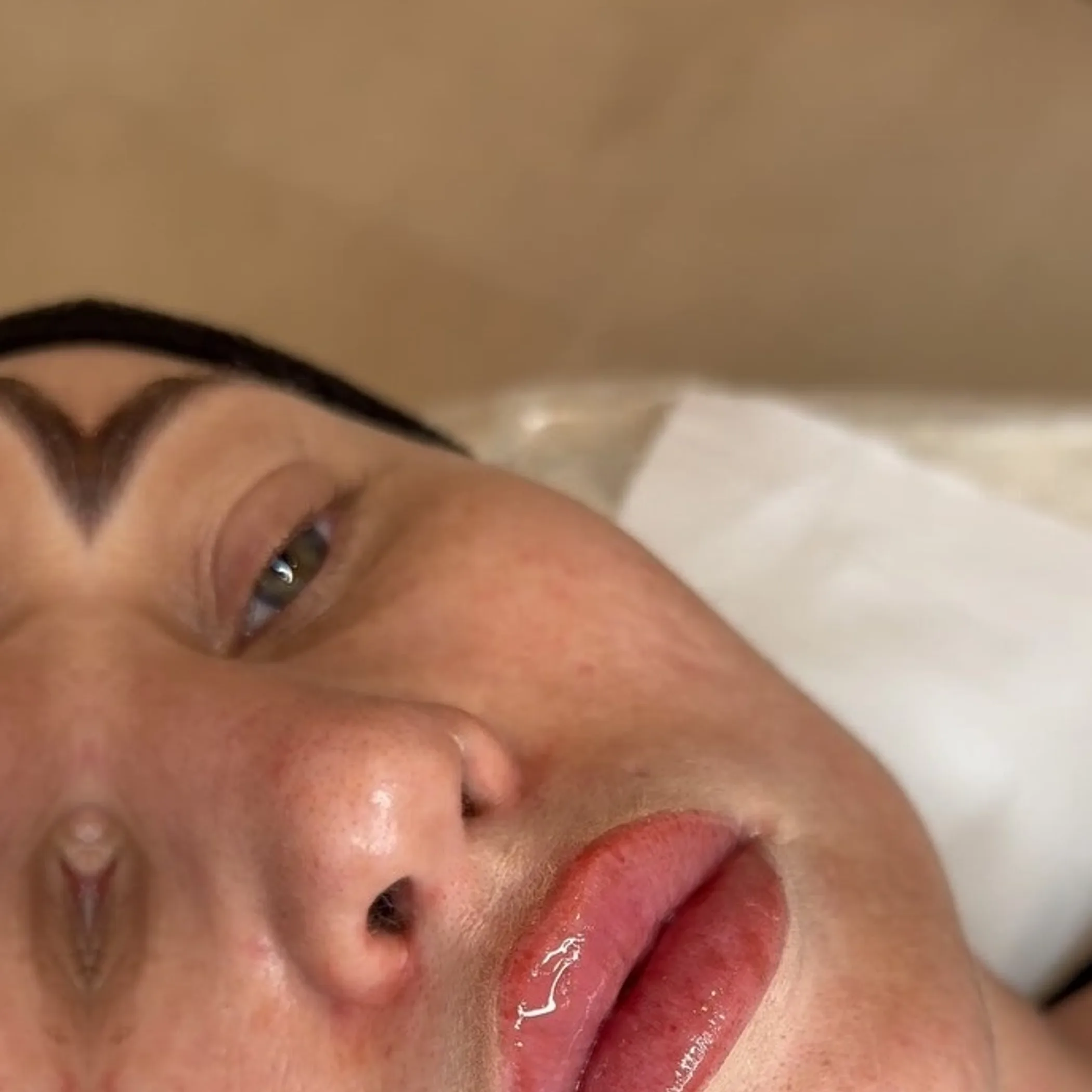
While lip blush is a sensible cosmetic for some Australians, safety is a pre-requisite. Have a look at the consent process, the pigments, the hygiene and the technician’s credentials. Find out what support is on offer in the event of trouble and how cold sores are handled.
Healthdirect has guidance on cosmetic procedures for those wanting the official Australian line on what to consider. And if a technician seems to think safety is a bore or promises you perfection, you have your answer to move on. Being cautious in making a booking is not being fussy, it is sound practice.